What if the most valuable dental treatment is the treatment you never need because a problem was prevented early? Preventive dentistry focuses on keeping teeth and gums healthy before cavities, infections, gum disease, and other concerns have a chance to become larger problems. Preventive dentistry at New Smiles Dental in Sherwood, OR, combines routine examinations, professional cleanings, diagnostic care, education, and personalized recommendations to help patients protect their smiles over the long term.
Preventive care is not only for people who already have dental problems. In fact, it is most valuable when your mouth feels healthy. Regular visits allow your dental team to monitor changes, identify small concerns, and help you maintain the habits that protect your teeth between appointments.
What Is Preventive Dentistry?
Preventive dentistry is dental care designed to prevent or reduce the risk of oral health problems. It includes professional services performed in the dental office as well as daily habits practiced at home.
Routine examinations and cleanings are central parts of preventive care, but the approach can include much more. Depending on age and individual needs, preventive dentistry may involve digital X-rays, fluoride, dental sealants, gum screenings, oral cancer screenings, customized home-care guidance, and monitoring of existing dental work.
The goal is to stay ahead of problems rather than simply reacting when something hurts.
Why Regular Dental Examinations Matter
A dental examination gives the dentist an opportunity to evaluate areas that may not be obvious to you at home.
A cavity can begin beneath the surface. Gum disease may develop without severe pain. An old filling may develop a small crack. Teeth may gradually shift or wear down.
These changes can be difficult to recognize without professional evaluation.
Regular examinations create a baseline for your oral health. Over time, the dentist can compare findings from one visit to the next and identify changes that may require attention.
Professional Dental Cleanings
Even people with excellent brushing habits can develop plaque and tartar in areas that are difficult to reach.
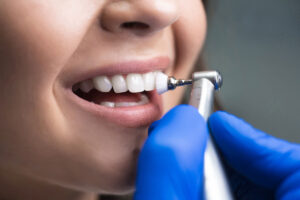
Professional cleanings remove buildup and give the dental team an opportunity to evaluate the health of the gums. Cleanings can also help patients understand which areas need more attention at home.
Depending on your individual needs, your dental team may recommend a particular cleaning schedule. Some patients benefit from routine twice-yearly visits, while others with gum disease or specific risk factors may need more frequent maintenance.
Preventing Cavities
Cavities develop when acids produced by bacteria weaken tooth enamel. Plaque provides a place for these bacteria to collect, while frequent exposure to sugar can contribute to the process.
Preventing cavities involves more than avoiding candy. Sugars can be present in drinks, snacks, sauces, and many processed foods.
One of the most useful habits is reducing how often your teeth are exposed to sugary foods and drinks throughout the day.
Drinking water regularly can also help. Brushing twice daily with fluoride toothpaste and cleaning between the teeth are equally important.
Protecting Your Gums
Healthy teeth depend on healthy gums. Gum disease begins with inflammation caused by bacteria and plaque around the gumline.
Early gum disease may cause redness, tenderness, or bleeding during brushing and flossing. More advanced disease can damage the tissues and bone supporting the teeth.
Preventive dental visits allow the team to monitor gum health and identify inflammation early.
If gum disease is detected, treatment can be recommended based on its severity.
The Importance Of Cleaning Between Your Teeth
A toothbrush cleans the surfaces it touches, but it cannot completely clean the tight spaces between teeth.
Floss or another dentist-recommended interdental cleaner can help remove plaque and food particles from these areas.
Cleaning between teeth every day is especially important because gum disease often begins along the gumline and between teeth.
If traditional floss is difficult to use, ask your dental team about alternatives. The best method is one you can use consistently and correctly.
Fluoride And Strong Tooth Enamel
Fluoride helps strengthen tooth enamel and can make teeth more resistant to acid attacks. It can be delivered through fluoride toothpaste, drinking water, professional treatments, or other sources depending on individual needs.
Your dentist can help determine whether additional fluoride protection would be beneficial based on your cavity risk and oral health.
Dental Sealants For Children And Teens
Back teeth have natural grooves and pits that can trap food and bacteria. These areas can be difficult for young patients to clean thoroughly.
Dental sealants are thin protective coatings placed over certain chewing surfaces. They create a smoother surface that can be easier to keep clean.
Sealants may be especially helpful when permanent molars first erupt. Your dentist can evaluate whether sealants are appropriate based on your child’s age and cavity risk.
Preventive Dentistry For Adults
Preventive care does not become less important with age. Adults may face different dental concerns, including gum disease, tooth wear, dry mouth, cavities around existing restorations, and changes in bite.
Patients who have crowns, bridges, veneers, implants, dentures, or other dental work also need regular examinations. Restorations are designed to last, but they still need professional monitoring and proper home care.
Preventive Dentistry For Older Adults
As people age, maintaining oral health can become even more important. Medications, changes in saliva flow, physical limitations, and other health conditions can affect dental health.
Dry mouth, for example, can increase the risk of cavities because saliva helps protect teeth.
Older adults should tell their dental team about changes in medications and health conditions. This information can help the dental team provide more personalized preventive recommendations.
Preventive Dentistry And Children
Children benefit from preventive dentistry because habits established early can influence oral health for decades.
Parents can help children brush twice daily, clean between teeth when appropriate, make water a regular drink choice, and attend routine dental visits.
Early dental visits can also help children become comfortable with the dental environment. When dental care becomes a familiar part of childhood, appointments may feel less intimidating later.
How Nutrition Affects Dental Health
Food choices affect your teeth every day. Calcium, phosphorus, vitamins, protein, and other nutrients contribute to overall health, while frequent exposure to sugar and acidic beverages can increase the risk of dental problems.
You do not need a perfect diet to protect your teeth. Small, consistent choices matter.
Choosing water more often, limiting constant snacking, and including nutritious foods can support both oral and general health.
Protecting Your Teeth From Damage
Preventive dentistry also involves protecting teeth from physical damage.
Do not use your teeth to open packages, cut tape, or bite hard objects. These habits can cause chips and fractures.
If you participate in sports, ask your dentist whether a custom mouthguard would be appropriate.
If you grind or clench your teeth, discuss the problem with your dental team. Excessive bite forces can contribute to tooth wear, sensitivity, fractures, and damage to restorations.
Why Preventive Care Can Save Time And Money
Preventive care is not a guarantee that you will never need dental treatment. However, identifying problems early can sometimes make treatment simpler.
A small cavity may require a filling. A larger cavity may require more extensive restoration. A tooth that becomes infected may need root canal treatment or extraction.
Likewise, early gum inflammation may be easier to manage than advanced periodontal disease.
Routine care gives patients more opportunities to address problems while they are manageable.
What To Expect At A Preventive Dental Visit
A routine appointment may include several components depending on your individual needs.
- Review of medical and dental history.
- Examination of teeth and gums.
- Assessment of existing restorations.
- Professional cleaning.
- Gum health screening.
- Oral cancer screening.
- Digital X-rays when appropriate.
- Personalized home-care recommendations.
- Discussion of any symptoms or concerns.
Your appointment should be a conversation as well as an examination. If you have questions about sensitivity, brushing, flossing, nutrition, or a change in your mouth, bring them up.
Benefits of Preventive Dentistry
- Early detection: Routine examinations can identify cavities, gum disease, and other concerns before they become more advanced.
- Fewer surprises: Regular monitoring gives you a clearer picture of your oral health.
- Better gum health: Professional cleanings and gum screenings help control plaque and inflammation.
- Stronger teeth: Fluoride and good daily hygiene help protect tooth enamel.
- Protection for children: Sealants, fluoride, education, and regular visits support growing smiles.
- Better maintenance of dental work: Crowns, bridges, fillings, veneers, and other restorations can be monitored over time.
- Personalized guidance: Your dental team can recommend habits and treatments based on your specific risk factors.
- Potentially simpler treatment: Finding problems early can sometimes prevent the need for more extensive procedures.
How Often Should You Visit The Dentist?
Many people are advised to have routine dental examinations and cleanings approximately twice each year. However, there is no single schedule that works for everyone.
Patients with gum disease, a high cavity risk, certain medical conditions, orthodontic appliances, implants, or other concerns may need more frequent care.
Your dentist can recommend a schedule based on your individual oral health rather than relying on a one-size-fits-all approach.
Preventive Dentistry Is A Long-Term Investment
A healthy smile is built through many small decisions repeated over time. Brushing and flossing at home, choosing tooth-friendly foods, protecting your teeth from injury, and attending routine dental visits all contribute to that process.
Preventive dentistry provides the professional support that connects those habits together. It allows your dental team to monitor changes, answer questions, and address concerns before they become more difficult to manage.
If it has been a while since your last dental examination, contact New Smiles Dental in Sherwood, OR, at (503) 925-9595 to Book an Appointment and take the next step toward protecting your smile for years to come.