A brighter smile does not always require major dental work. Sometimes the simplest cosmetic change is a professional whitening treatment that refreshes the natural color of your teeth. Over time, coffee, tea, certain foods, tobacco, and normal aging can cause teeth to become darker or develop surface stains. Professional teeth whitening at New Smiles Dental in Sherwood, OR, can provide a personalized way to improve tooth brightness while keeping the treatment focused on your natural smile.
Teeth whitening is one of the most common cosmetic dental treatments because it can create a noticeable change without altering the shape of your teeth. However, whitening is not appropriate for every type of discoloration. Understanding what causes tooth staining, what professional whitening can and cannot change, and how to maintain the results can help you decide whether treatment is right for you.
Why Do Teeth Become Discolored?
Teeth naturally change color over time. Enamel is not completely opaque, and the underlying dentin can influence the overall shade of the tooth.
External stains can also collect on the surface. Coffee, tea, red wine, tobacco, and strongly colored foods can contribute to staining.
Some discoloration occurs deeper within the tooth. Certain medications, dental injuries, aging, and changes that happen during tooth development can affect tooth color in ways that surface whitening may not fully correct.
This is why a dental evaluation is helpful before whitening. The cause of discoloration influences what type of treatment is likely to produce the desired result.
What Is Professional Teeth Whitening?
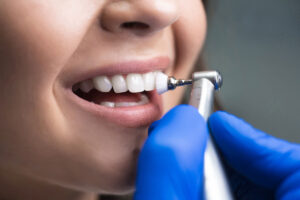
Professional teeth whitening uses dental-grade whitening materials under professional guidance to lighten the color of natural teeth.
The treatment can be customized based on the patient’s starting shade, desired result, sensitivity concerns, and overall dental health.
Professional whitening differs from randomly selecting an over-the-counter product because the dental team can first determine whether the teeth and gums are healthy enough for whitening and whether the discoloration is likely to respond.
Why A Dental Examination Comes First
Whitening is a cosmetic procedure, but oral health still matters.
Cavities, cracked teeth, gum irritation, exposed roots, or other conditions may cause sensitivity during whitening. Treating those concerns first can make the cosmetic process more comfortable and predictable.
A dental examination can also identify restorations such as crowns, veneers, or fillings. These materials do not respond to whitening in the same way natural enamel does.
If you have visible restorations, your dentist can explain how whitening may affect the overall shade of your smile.
How Professional Teeth Whitening Works
Whitening products contain active ingredients that break down certain staining compounds within the tooth.
The process does not simply paint a white color over the teeth. Instead, the whitening material interacts with the compounds responsible for some types of discoloration.
Professional treatment allows the process to be controlled and monitored according to the patient’s needs.
In-Office Whitening
In-office whitening is performed under professional supervision. The dental team protects the gums and other soft tissues before applying the whitening material.
The treatment is completed according to the selected system’s instructions. Depending on the approach, one appointment may produce a significant improvement in tooth brightness.
Patients who want a faster cosmetic change may appreciate the convenience of an in-office treatment.
Take-Home Whitening
Take-home whitening can provide another option for patients who prefer a gradual approach. Custom trays can be designed to fit the patient’s teeth and used according to professional instructions.
This approach gives patients more control over the timing of treatment. It may also be useful for maintaining a brighter shade after professional treatment.
Your dentist can explain whether an in-office or take-home approach is more appropriate based on your goals.
Does Teeth Whitening Hurt?
Some patients experience temporary tooth sensitivity during or after whitening. Sensitivity can vary based on the condition of the teeth, the whitening system, concentration, treatment duration, and individual factors.
If you already have sensitive teeth, tell your dental team before treatment. Your dentist can help determine whether whitening should be modified or whether another concern should be addressed first.
Significant or persistent sensitivity should not be ignored.
What Teeth Whitening Can And Cannot Change
Professional whitening works best on natural teeth with certain types of discoloration. It does not change the color of crowns, veneers, bridges, fillings, or other dental restorations.
This distinction is important when whitening is being considered by someone with visible dental work.
If your front teeth have restorations that no longer match your natural teeth, your dentist may recommend a different cosmetic approach.
Teeth Whitening And Veneers
Some patients consider whitening before cosmetic restorations such as veneers. This can be useful because the desired natural tooth shade can be established before the final restoration color is selected.
If you are considering both whitening and veneers, discuss the order of treatment during your consultation.
Planning the procedures together can help create a more coordinated result.
What Causes Whitening Results To Fade?
Whitening is not permanent. Teeth can gradually become darker again as new stains develop and the natural aging process continues.
Coffee, tea, tobacco, red wine, and strongly pigmented foods can contribute to new staining.
This does not mean you have to avoid every food or beverage you enjoy. Instead, moderation, good oral hygiene, and professional maintenance can help preserve your results.
How To Maintain A Brighter Smile
- Brush twice daily.
- Clean between your teeth every day.
- Drink water regularly.
- Limit frequent exposure to strongly staining foods and beverages.
- Avoid tobacco products.
- Attend regular dental cleanings.
- Follow your dentist’s recommendations for whitening maintenance.
Professional cleanings can remove surface buildup that contributes to a dull appearance, although a cleaning is not the same as professional whitening.
Who May Be A Good Candidate For Teeth Whitening?
Teeth whitening may be appropriate for adults with healthy natural teeth who want to improve the brightness of their smile.
The best candidates understand that whitening changes color rather than tooth shape. If your concern involves chipped, misshapen, worn, or significantly uneven teeth, another cosmetic treatment may be more appropriate.
Your dentist can help determine whether whitening alone can address your goals.
When Whitening May Not Be The Best First Choice
If you have active cavities, gum disease, severe sensitivity, or certain types of internal tooth discoloration, whitening may not be the first treatment recommended.
For example, a single darkened tooth may have a different cause than generalized staining across the entire smile. That tooth may require an examination to determine why the color changed.
Similarly, someone with extensive front-tooth restorations may need a restorative or cosmetic plan instead of whitening alone.
Benefits of Professional Teeth Whitening
- Brighter natural teeth: Professional whitening can lighten certain types of tooth discoloration.
- Personalized treatment: The approach can be selected around your starting shade, goals, and dental health.
- Professional supervision: Your dental team can monitor the process and address concerns.
- Cosmetic improvement without reshaping: Whitening changes tooth color without requiring the tooth to be reshaped.
- Flexible options: Appropriate patients may have in-office or take-home approaches available.
- Maintenance planning: Your dentist can help you understand how to preserve your results.
- Integrated cosmetic care: Whitening can be coordinated with other cosmetic treatments when appropriate.
How Long Does Teeth Whitening Take?
The timeline depends on the type of whitening treatment selected. In-office treatment can be completed during a scheduled appointment, while take-home whitening is performed over a longer period according to the dentist’s instructions.
The starting shade of your teeth also affects the process. Some patients see a noticeable difference quickly, while others require a longer treatment period to reach their desired shade.
What To Expect After Whitening
After whitening, teeth may temporarily feel more sensitive. Your dental team can provide recommendations for managing sensitivity if it occurs.
It is also helpful to follow any dietary instructions provided after treatment. Certain strongly colored foods and drinks may be limited temporarily depending on the whitening approach.
Over time, maintaining good oral hygiene and attending routine cleanings can help your smile remain bright.
Professional Whitening Is Not About An Artificial Smile
A brighter smile does not need to look unnatural. The goal of professional whitening is to improve the color of your natural teeth while keeping the result appropriate for your individual smile.
The ideal shade is different for every person. Your dentist can discuss your goals and help determine what level of whitening is realistic.
Is Professional Teeth Whitening Right For You?
If your teeth have become darker over time or you have surface staining from everyday foods and drinks, professional whitening may be a simple cosmetic option to consider.
The best place to start is with an examination. That allows your dental team to identify the cause of discoloration and determine whether whitening can provide the type of improvement you want.
If you are interested in a brighter smile, contact New Smiles Dental in Sherwood, OR, at (503) 925-9595 to Schedule a Consultation and learn whether professional teeth whitening is right for you.
Frequently Asked Questions About Teeth Whitening
Does professional teeth whitening work on dental crowns?
No. Whitening changes the color of natural tooth structure. Crowns and other restorations do not whiten in the same way.
Can teeth whitening cause sensitivity?
Temporary sensitivity can occur. Patients with existing sensitivity should discuss it with their dentist before treatment.
How long do whitening results last?
Results vary based on individual habits, diet, oral hygiene, and natural changes over time. Maintenance may be recommended to preserve a brighter shade.