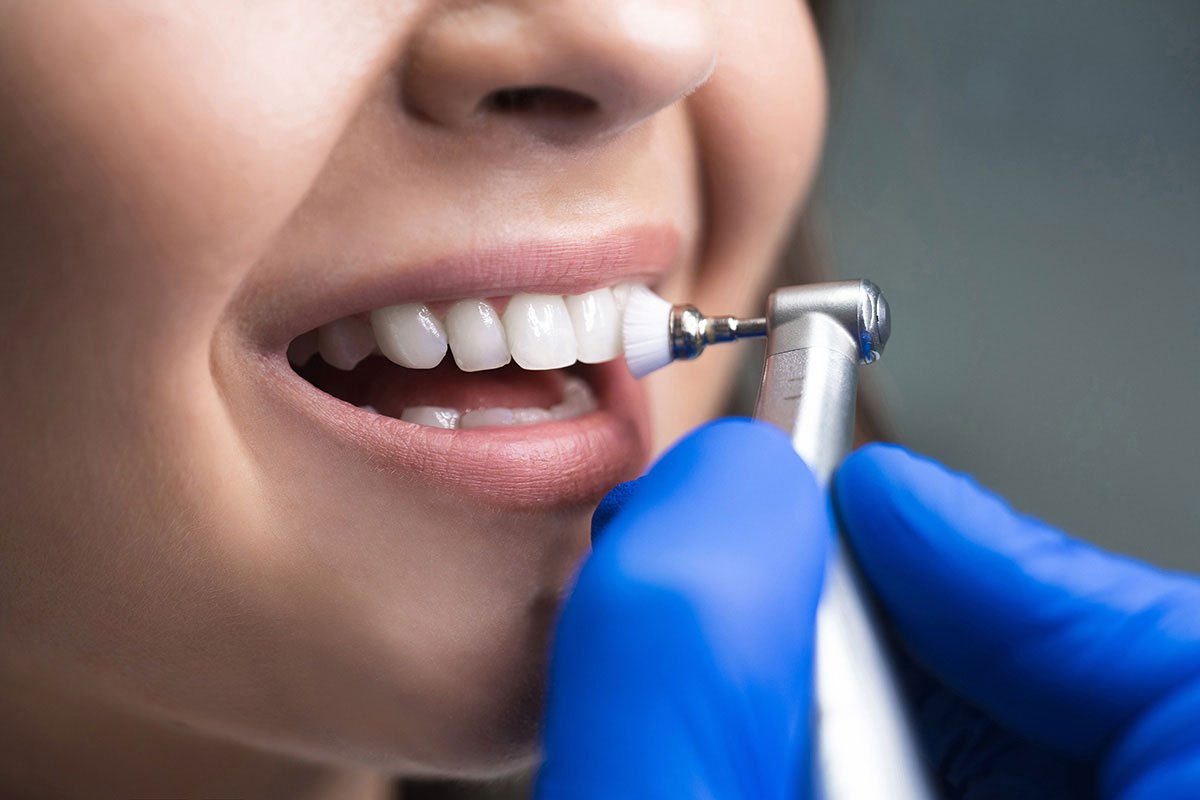
A dental cleaning should be more than a quick polish at the end of an appointment. Effective preventive care is about removing harmful buildup, evaluating the health of the gums, identifying areas that need more attention, and helping patients maintain their smiles between visits. GBT certified dental cleanings at New Smiles Dental in Sherwood, OR, provide a modern approach to professional dental hygiene while keeping patient comfort and long-term oral health in focus.
GBT stands for Guided Biofilm Therapy. The approach focuses on identifying and removing dental biofilm, the sticky layer of bacteria that develops naturally in the mouth. Understanding what biofilm is, why it matters, and how professional cleaning can help control it gives patients a clearer picture of why routine hygiene visits are such an important part of dental care.
What Is Dental Biofilm?
Dental biofilm is a community of microorganisms that attaches to surfaces in the mouth. It can collect on teeth, around the gumline, and in areas that are difficult to clean.
When biofilm remains on the teeth, it can contribute to cavities and gum inflammation. Over time, mineral buildup can harden into tartar, which cannot be removed effectively with normal brushing alone.
This is one reason professional dental cleanings remain important even for patients who brush and floss consistently.
What Is Guided Biofilm Therapy?
Guided Biofilm Therapy is an approach to professional dental cleaning that focuses on making dental biofilm easier to see and remove.
Rather than simply cleaning every tooth in the same way, the process can help the dental professional identify areas where biofilm is present and guide the cleaning process accordingly.
This can make the appointment more targeted and educational. Patients can also gain a better understanding of where plaque tends to collect in their own mouths.
Why Biofilm Removal Matters
Biofilm is constantly forming. Brushing and cleaning between the teeth remove much of it, but some areas are easy to miss.
When biofilm remains around the gumline, the gums may become irritated and inflamed. Persistent inflammation can contribute to gum disease.
Biofilm also plays an important role in the cavity process. Bacteria can use sugars from food and drinks to produce acids that attack tooth enamel.
Removing biofilm regularly is therefore an important part of protecting both teeth and gums.
What Happens During A GBT Certified Dental Cleaning?
The exact appointment can vary based on your dental needs, but the process is designed to be systematic and patient-focused.
Assessment
The dental hygienist evaluates the condition of your teeth and gums and considers your individual oral health needs.
Biofilm Identification
A disclosing solution can be used to make biofilm easier to see. This helps identify areas that may need additional attention.
Patient Education
Seeing where biofilm remains can make oral hygiene instruction more practical. Instead of receiving general advice, you can see the areas where your own brushing or interdental cleaning may need improvement.
Biofilm Removal
The dental team uses appropriate professional equipment to remove the identified biofilm and buildup.
Calculus Removal
When tartar or calculus is present, professional instruments are used to remove deposits that cannot be brushed away at home.
Final Assessment
The teeth and gums can then be evaluated again to make sure the cleaning has addressed the areas that needed attention.
Is GBT Cleaning Painful?
Comfort can vary from patient to patient. Some people have sensitive teeth or inflamed gums, which may make professional cleaning more noticeable.
One advantage of a targeted approach is that the dental professional can focus on the areas that actually need attention rather than using the same intensity everywhere.
If you experience sensitivity during cleanings, tell your hygienist. Your dental team can discuss ways to make future appointments more comfortable.
Who Can Benefit From GBT Certified Dental Cleanings?
GBT can be useful for a wide range of patients. People with healthy gums can benefit from routine biofilm removal and improved home-care awareness.
Patients who frequently develop plaque or tartar may also benefit from a more targeted cleaning approach.
Those with a history of gum disease may require a more specialized maintenance plan. Your dentist or hygienist can determine which type of cleaning is appropriate based on your gum health.
GBT Cleaning And Gum Disease Prevention
Gum disease often begins with inflammation along the gumline. Plaque and biofilm are major contributors to this process.
Professional cleanings help remove buildup while giving the dental team an opportunity to monitor changes in gum health.
Bleeding gums, redness, swelling, tenderness, or persistent bad breath can be signs that your gums need attention.
If gum disease has progressed beyond the earliest stage, a routine cleaning may not be enough. Your dental team can recommend a treatment and maintenance plan based on the severity of the condition.
GBT Cleaning And Cavity Prevention
Preventing cavities involves more than brushing. Biofilm bacteria interact with dietary sugars and produce acids that can weaken enamel.
Professional cleanings help remove plaque and provide an opportunity to discuss brushing, fluoride, diet, and other preventive habits.
However, a professional cleaning cannot replace daily home care. The most effective prevention strategy combines professional dental visits with consistent brushing and interdental cleaning at home.
Why Seeing Biofilm Can Change Your Home Care
One of the useful parts of guided cleaning is that it can make invisible plaque visible.
When patients can actually see where buildup remains, brushing technique can become easier to understand. You may discover that you consistently miss the same areas, such as the inside surfaces of lower front teeth or the back surfaces of molars.
That information can be used to improve your daily routine.
How To Maintain Your Results Between Cleanings
- Brush twice each day with fluoride toothpaste.
- Clean between teeth every day.
- Use a toothbrush with soft bristles unless your dental team recommends otherwise.
- Replace your toothbrush or brush head when the bristles become worn.
- Drink water regularly.
- Limit frequent sugary snacks and drinks.
- Attend dental cleanings according to your personalized schedule.
If you have trouble cleaning a specific area, ask your hygienist for a demonstration. Small changes in technique can make a meaningful difference over time.
How Often Should You Have A Professional Cleaning?
Many patients have routine cleanings approximately twice each year. However, the ideal schedule depends on your oral health.
Patients with gum disease, a history of heavy tartar buildup, certain medical conditions, or other risk factors may need more frequent maintenance.
Your dental team can recommend an interval based on what they see during your examinations.
GBT Cleaning For Patients With Dental Restorations
Patients with crowns, bridges, implants, veneers, fillings, and other restorations still need professional cleanings.
Restorations can collect plaque around their edges, and the natural teeth supporting them remain vulnerable to decay and gum disease.
Your hygienist can provide instructions for cleaning around your specific dental work.
Professional Cleaning And Fresh Breath
Persistent bad breath can have many causes. Bacteria, gum disease, dry mouth, certain foods, and other conditions can contribute.
Professional cleaning can remove accumulated plaque and tartar, but ongoing bad breath should be discussed with your dental team if it does not improve.
Identifying the underlying cause is more useful than simply masking the odor with mouthwash.
Benefits of GBT Certified Dental Cleanings
- Targeted biofilm removal: The approach focuses on identifying and removing bacterial buildup.
- Better patient education: Disclosing biofilm can show patients where brushing and interdental cleaning need improvement.
- Thorough professional cleaning: Professional equipment can remove deposits that daily brushing cannot.
- Support for gum health: Regular professional cleanings help control plaque and monitor gum inflammation.
- Cavity prevention support: Removing biofilm complements daily habits that protect tooth enamel.
- Personalized care: The cleaning process can be adapted to individual oral health needs.
- Improved awareness: Patients can leave with a clearer understanding of their own oral hygiene patterns.
- Comfort-focused treatment: Your dental team can adjust the approach when sensitivity or other concerns are present.
What If You Have Not Had A Cleaning In A While?
If it has been several years since your last professional cleaning, do not feel embarrassed about making an appointment. Dental teams work with patients at every stage of oral health.
The most important step is getting back on track.
Your first visit may include a more detailed evaluation depending on the amount of buildup and the condition of your gums. Once your oral health is stabilized, your dental team can recommend a maintenance schedule.
Why Preventive Cleanings Are Worth The Time
Dental cleanings are not simply about making teeth feel smooth. They are part of a larger preventive strategy that helps control biofilm, monitor gum health, identify potential problems, and teach patients how to care for their teeth more effectively at home.
A consistent schedule can also make dental visits feel more routine. Instead of waiting for pain or a major problem, you can use regular appointments to stay ahead of changes.
Make Professional Dental Hygiene Part Of Your Routine
Healthy teeth and gums are supported by what you do every day, but professional dental care provides another important layer of protection. Guided Biofilm Therapy can make the cleaning process more focused while helping patients understand exactly where plaque is accumulating.
If you are due for a professional cleaning or want to learn more about GBT certified dental cleanings, contact New Smiles Dental in Sherwood, OR, at (503) 925-9595 to Book an Appointment and take a proactive step toward healthier teeth and gums.
Frequently Asked Questions About GBT Certified Dental Cleanings
What does GBT stand for?
GBT stands for Guided Biofilm Therapy. It is an approach to professional dental hygiene that focuses on identifying and removing dental biofilm.
Is GBT the same as a regular dental cleaning?
Both approaches focus on professional oral hygiene, but Guided Biofilm Therapy places particular emphasis on identifying biofilm and using that information to guide the cleaning process.
How often should I have a GBT cleaning?
Your recommended schedule depends on your individual oral health. Many patients have routine cleanings twice a year, while patients with specific risks may need more frequent visits.