Losing a tooth can affect much more than the appearance of a smile. It may change how comfortably someone eats, how clearly they speak, and how confident they feel in everyday situations. Fortunately, implant dentistry offers several ways to replace missing or severely damaged teeth with restorations designed to look and function much like natural teeth.
For patients exploring implant dentistry in Sherwood, OR, understanding the process can make the decision feel less overwhelming. Dental implant treatment is not one-size-fits-all. A dentist considers the number of missing teeth, oral health, available bone, overall health, personal preferences, and long-term goals before recommending a plan.
This article provides general educational information and is not a diagnosis or personalized treatment recommendation. A qualified dentist should evaluate individual needs, risks, healing considerations, and treatment options.
What Is Implant Dentistry?
Implant dentistry focuses on replacing missing teeth with restorations supported by dental implants. A dental implant is a small post placed in the jaw where a tooth root used to be. After the surrounding bone has integrated with the implant, it can support a crown, bridge, or full-arch restoration.
A typical implant restoration has three main parts:
- The implant: The portion positioned within the jawbone.
- The abutment: A connector between the implant and the visible restoration.
- The restoration: The crown, bridge, or arch of replacement teeth seen above the gums.
The biological process in which bone forms a stable connection with an implant is known as osseointegration. This process is an important part of creating a foundation that can support the finished restoration. Healing and integration vary from patient to patient, which is why follow-up visits matter.
Ways Dental Implants Can Replace Missing Teeth
Implant dentistry includes more than a single type of procedure. The appropriate option depends on how many teeth are missing, where they are located, and the condition of the gums and jawbone.
A Single-Tooth Implant
One implant may support a crown when a single tooth is missing. Unlike a traditional tooth-supported bridge, this approach generally does not require the neighboring teeth to serve as supports for the replacement tooth.
An Implant-Supported Bridge
When several teeth are missing in the same area, strategically positioned implants may support a dental bridge. This approach can replace multiple teeth without necessarily placing one implant for every missing tooth.
Implant-Supported Dentures
Implants may help stabilize certain removable dentures. The denture can attach to the implants, providing greater security than a conventional removable appliance for suitable patients. It still needs to be removed and cleaned according to the dentist’s instructions.
Full-Arch Implant Treatment
A full-arch restoration replaces an entire upper or lower row of teeth using multiple implants. Some patients may receive a temporary set of teeth near the time of implant placement, but this is not the same as completing the biological healing process or receiving the final restoration. Eligibility depends on a detailed clinical evaluation.
Who May Be a Candidate for Dental Implants?
Many adults with one or more missing teeth may be considered for implant treatment, but candidacy cannot be determined from symptoms or photographs alone. A comprehensive evaluation is necessary.
A dentist will typically assess:
- The health of the teeth and gums
- The amount and quality of available jawbone
- The location of nerves, sinuses, and other structures
- Current medications and relevant health conditions
- Tobacco or nicotine use
- Oral hygiene habits
- Teeth grinding or clenching
- The patient’s treatment goals and ability to attend follow-up visits
Having bone loss, gum disease, or a health condition does not automatically mean implants are impossible. It may mean that oral disease needs to be managed first, additional planning is required, or another tooth-replacement option would be more appropriate.
What Happens During the Implant Process?
Dental implant care usually happens in stages. Although modern technology can make planning and placement more efficient, the body still needs time to heal. The exact sequence depends on the patient and the type of restoration.
1. Consultation and Diagnostic Planning
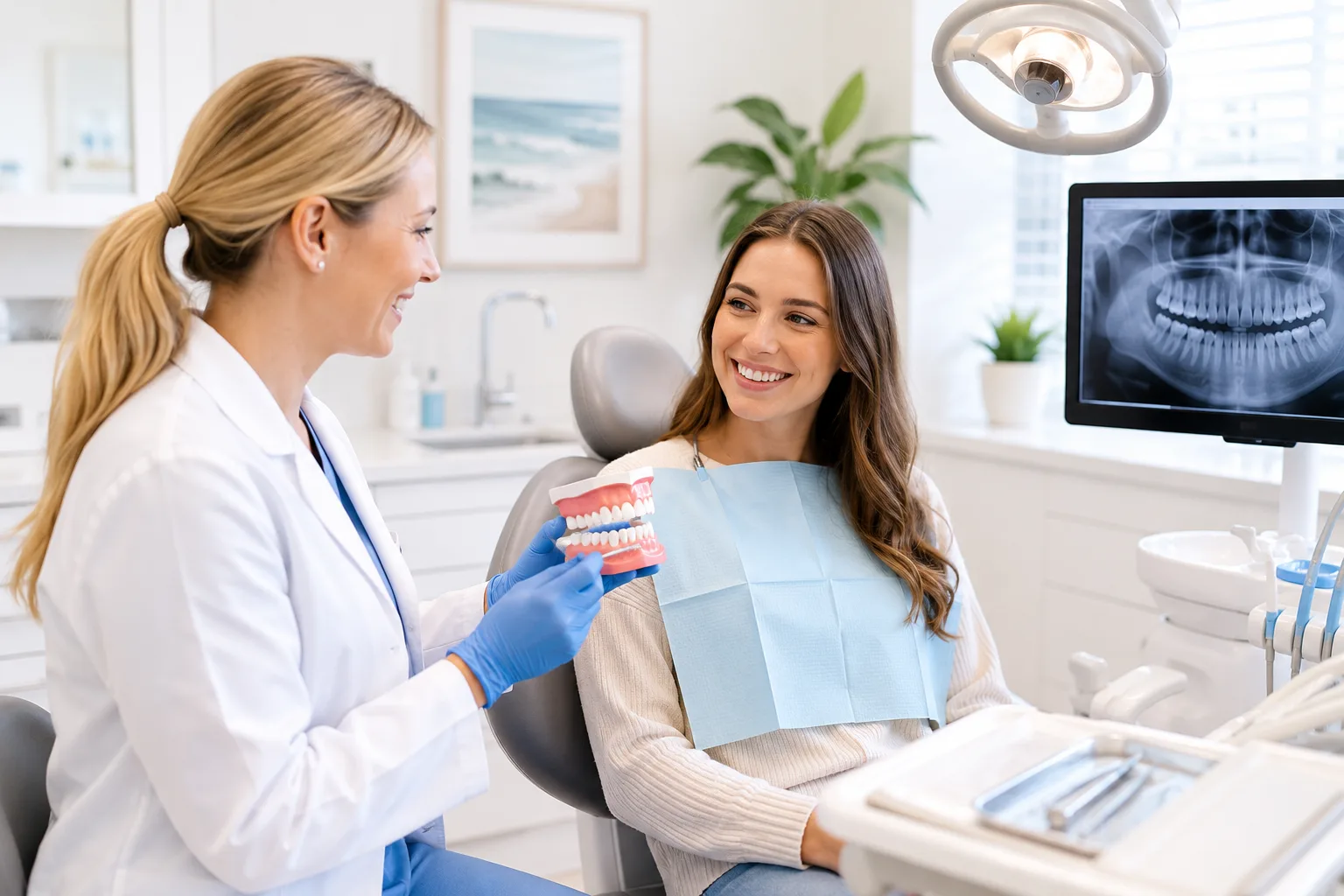
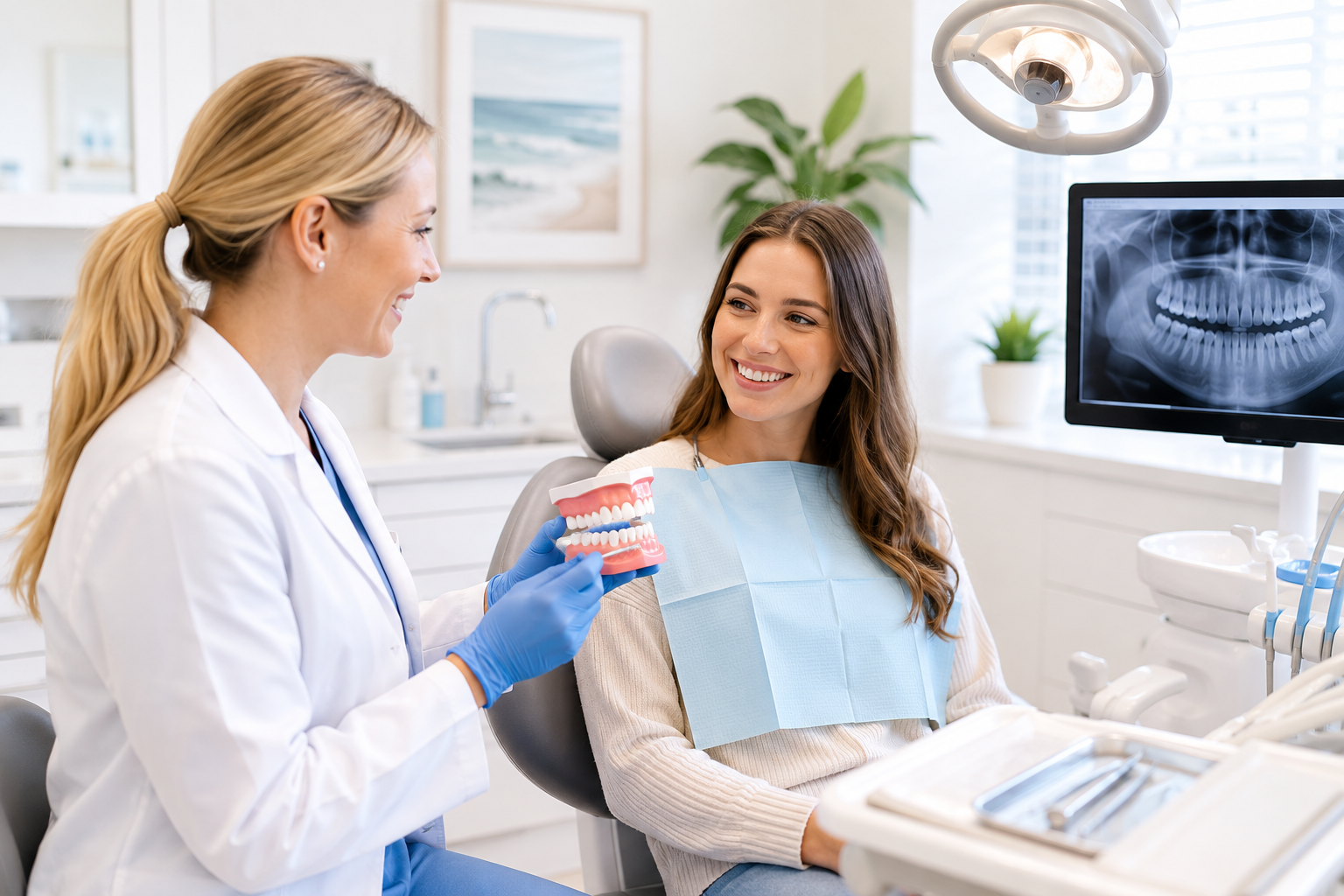
The first visit generally includes a discussion of concerns, health history, missing teeth, and desired results. The dentist examines the mouth and may use digital imaging to evaluate the jaw and plan possible implant positions.
This is also a good time for the patient to discuss dental anxiety, scheduling concerns, finances, and expectations. A clear plan should explain the proposed treatment, reasonable alternatives, potential risks, and anticipated follow-up care.
2. Preparatory Care, When Needed
Some patients are ready for implant placement, while others need treatment first. Preparatory care could include managing active dental disease, removing a tooth that cannot be restored, or performing a procedure intended to improve the implant site. Not every patient needs these additional steps.
3. Implant Placement
During implant placement, the area is numbed and the implant is positioned according to the treatment plan. Comfort options vary by patient and procedure. Anyone who feels nervous should ask in advance about local anesthesia, sedation options, and what to expect during the appointment.
4. Early Symptom Recovery
Early recovery refers to how the patient feels immediately after treatment. Temporary soreness, swelling, bruising, or minor bleeding may occur after oral surgery. These symptoms should be monitored according to the dental team’s instructions. Increasing pain, persistent bleeding, fever, worsening swelling, or another unexpected concern warrants a prompt call to the treating clinician.
5. Soft-Tissue Healing
Soft-tissue healing describes how the gums close and stabilize around the surgical area. This is separate from early symptom relief. A patient may feel substantially better before the gums and underlying tissues have completed their healing.
6. Osseointegration
Osseointegration is the deeper biological phase during which the jawbone establishes a stable connection with the implant. It generally continues beyond the initial period of soreness and gum healing. Its progress cannot be judged by comfort alone, so the dentist evaluates implant stability and healing before moving forward.
7. Final Restoration
The final crown, bridge, or full-arch restoration is made and attached when the dentist determines that the mouth is ready. Patients who receive temporary teeth earlier in the process should remember that a provisional restoration and a completed final restoration are different treatment stages.
Patient Comfort and Modern Implant Planning
Concern about discomfort is common, especially for someone who has postponed dental care because of anxiety. A supportive implant consultation should give the patient space to explain those concerns without embarrassment.
Modern care may include digital imaging, detailed surgical planning, local anesthetic, and sedation options when clinically appropriate. These resources can support precision and patient comfort, but they do not eliminate the need for careful diagnosis, informed consent, and postoperative care.
New Smiles provides general and implant dentistry in Sherwood, OR, with modern technology, research-based treatment options, sedation options, and an in-house lab. During a consultation, the team can explain which resources are relevant to the individual treatment plan.
Benefits and Limitations to Consider
Dental implants can provide stable support for replacement teeth and may allow patients to eat, speak, and smile with greater confidence. Because the implant sits within the jaw, the finished tooth does not rely only on the visible portion above the gums.
However, implant treatment is still a surgical and restorative process. It requires enough healing capacity, consistent home care, professional maintenance, and realistic expectations. Possible concerns include infection, delayed healing, implant instability, gum or bone changes, damage to nearby structures, and mechanical wear or damage to the restoration. Personal risk varies, and no treatment can be guaranteed to last for life.
Alternatives may include a conventional bridge, a removable partial denture, a complete denture, or delaying replacement in selected situations. A dentist can explain how the benefits, limitations, maintenance needs, and costs compare.
Caring for Dental Implants
Implants cannot develop cavities in the way natural tooth enamel can, but the surrounding gums and bone still need protection. Plaque buildup and inflammation can threaten the tissues that support an implant.
Long-term care commonly includes:
- Brushing thoroughly every day
- Cleaning around and between implant restorations with recommended tools
- Attending professional cleanings and implant evaluations
- Avoiding tobacco and nicotine when possible
- Wearing a protective appliance if recommended for grinding or clenching
- Reporting looseness, bleeding, swelling, discomfort, or bite changes promptly
The right cleaning tools depend on the design of the restoration. A person with a single implant crown may have different instructions than someone with a bridge or full-arch prosthesis.
Questions to Ask at an Implant Consultation
Patients can make a consultation more useful by arriving with a short list of questions, such as:
- Which tooth-replacement options are appropriate for this situation?
- Is any preparatory treatment needed?
- Who will complete the surgical and restorative phases?
- Will temporary teeth be available during treatment?
- How will comfort and anxiety be managed?
- What risks are most relevant to this case?
- What is included in the written cost estimate?
- What follow-up and maintenance will be required?
Implant costs vary because treatment may involve different numbers of implants, restoration materials, diagnostic records, preparatory procedures, and follow-up needs. A personalized examination is the most reliable way to receive a meaningful estimate.
Frequently Asked Questions About Implant Dentistry
Are dental implants painful?
The treatment area is typically numbed during implant placement. Some postoperative soreness or swelling may occur, and the dental team should provide instructions for managing recovery. Comfort experiences vary, so patients should discuss anxiety, medications, and previous dental experiences before treatment.
Can someone receive teeth on the same day as implants?
Selected patients may qualify for a temporary restoration around the time implants are placed. Same-day temporary teeth do not mean the gums and bone have finished healing, and they are not necessarily the final restoration. The dentist must determine whether immediate loading is appropriate.
How long does the complete implant process take?
There is no single timeline for every patient. The schedule depends on oral health, the number and location of implants, whether preparatory care is needed, how the tissues heal, and the type of final restoration. Early symptom recovery, gum healing, osseointegration, and completion of the final teeth are separate phases.
Can dental implants fail?
Yes. An implant may not integrate as intended, or problems can develop later in the surrounding tissues or restoration. Careful planning, following recovery instructions, good oral hygiene, and ongoing professional care can help manage risk, but they cannot provide a guarantee.
Are implants better than dentures or bridges?
No option is best for every person. Implants may offer greater stability in certain situations, while bridges or removable dentures may be more appropriate based on health, anatomy, budget, timing, or personal preference. A dentist can help compare the choices fairly.
Explore Implant Dentistry in Sherwood, OR
Replacing missing teeth is a personal decision, and patients deserve clear information rather than pressure. The best starting point is a thorough evaluation that considers oral health, overall wellness, comfort, priorities, and budget.
Patients interested in implant dentistry in Sherwood, OR, can contact New Smiles to schedule a consultation, ask questions, and learn which tooth-replacement options may fit their needs. A conversation with the dental team can turn a complicated topic into a clear, manageable next step.