Choosing a family dentist is about more than finding a nearby office that offers cleanings. The right dental team can become a long-term partner in protecting your family’s oral health, answering questions, easing dental anxiety, and identifying small concerns before they become more complicated.
For families in Sherwood, OR, the search often comes down to a few practical questions: Does the office provide care for different ages? Will the team explain treatment clearly? Is the environment comfortable? Can the practice help when an unexpected dental problem occurs?
This guide explains what to consider when choosing a family dentist in Sherwood, OR and how to prepare for a first visit.
This article provides general educational information and is not a substitute for an examination, diagnosis, or personalized advice from a licensed dental professional. Anyone experiencing dental pain, swelling, bleeding, or an injury should contact a dentist for guidance.
What Does a Family Dentist Do?
A family dentist provides ongoing dental care for people at different stages of life. Instead of requiring each household member to visit an unrelated office, a family-focused practice may be able to coordinate routine and restorative care in one familiar setting.
Family dentistry commonly includes preventive exams, professional cleanings, dental X-rays when appropriate, cavity treatment, gum health evaluations, and personalized oral hygiene guidance. Depending on the practice, additional care may include crowns, cosmetic services, replacement options for missing teeth, and help with urgent dental concerns.
The specific services recommended will depend on each patient’s age, oral health, medical history, symptoms, and goals. A dentist should evaluate the individual before recommending treatment.
Care that changes with each stage of life
Dental needs do not remain the same over time. Younger patients may need support as their teeth and jaws develop. Teenagers may benefit from guidance about sports protection, orthodontic hygiene, and cavity prevention. Adults often focus on preventing gum disease and repairing worn or damaged teeth, while older adults may need help managing dry mouth, tooth loss, existing restorations, or changes related to health conditions and medications.
A family dentist who maintains long-term records can observe these changes over time. That continuity may make it easier to notice patterns, monitor existing dental work, and tailor preventive recommendations to the patient.
Why Continuity of Dental Care Matters
Seeing the same dental team regularly allows the practice to become familiar with a patient’s dental history, comfort preferences, and previous treatment. It also gives the patient an opportunity to build trust and ask questions without starting over at every appointment.
Continuity can be especially helpful when several family members share similar dental concerns. Family history does not determine every outcome, but information about enamel strength, gum health, jaw development, or recurring oral habits can help a dentist understand the broader picture.
Regular care also supports prevention. Many oral health concerns are easier to address when identified early, sometimes before they cause noticeable discomfort. The ideal schedule for exams and cleanings is not identical for everyone, so the dentist should recommend timing based on individual risk and health needs.
What to Look for in a Family Dentist in Sherwood, OR
1. A strong focus on preventive care
A family dental practice should do more than repair teeth after problems develop. Look for a team that emphasizes daily brushing and flossing, routine examinations, professional cleanings, and practical nutrition guidance.
Preventive care should also feel personal. Someone with frequent cavities may need different recommendations than a patient managing gum inflammation, sensitive teeth, or dry mouth. Helpful guidance should reflect the person’s needs rather than rely on a one-size-fits-all checklist.
2. Clear and respectful communication
Dental terminology can feel confusing, particularly when a patient is worried or uncomfortable. A trustworthy dentist should explain what was found, why treatment may be recommended, what alternatives might be appropriate, and what could happen if care is delayed.
Patients should also have an opportunity to ask about expected costs, insurance considerations, appointment length, comfort options, and follow-up care. Clear communication supports informed decisions and helps prevent surprises.
3. A comfortable, welcoming environment
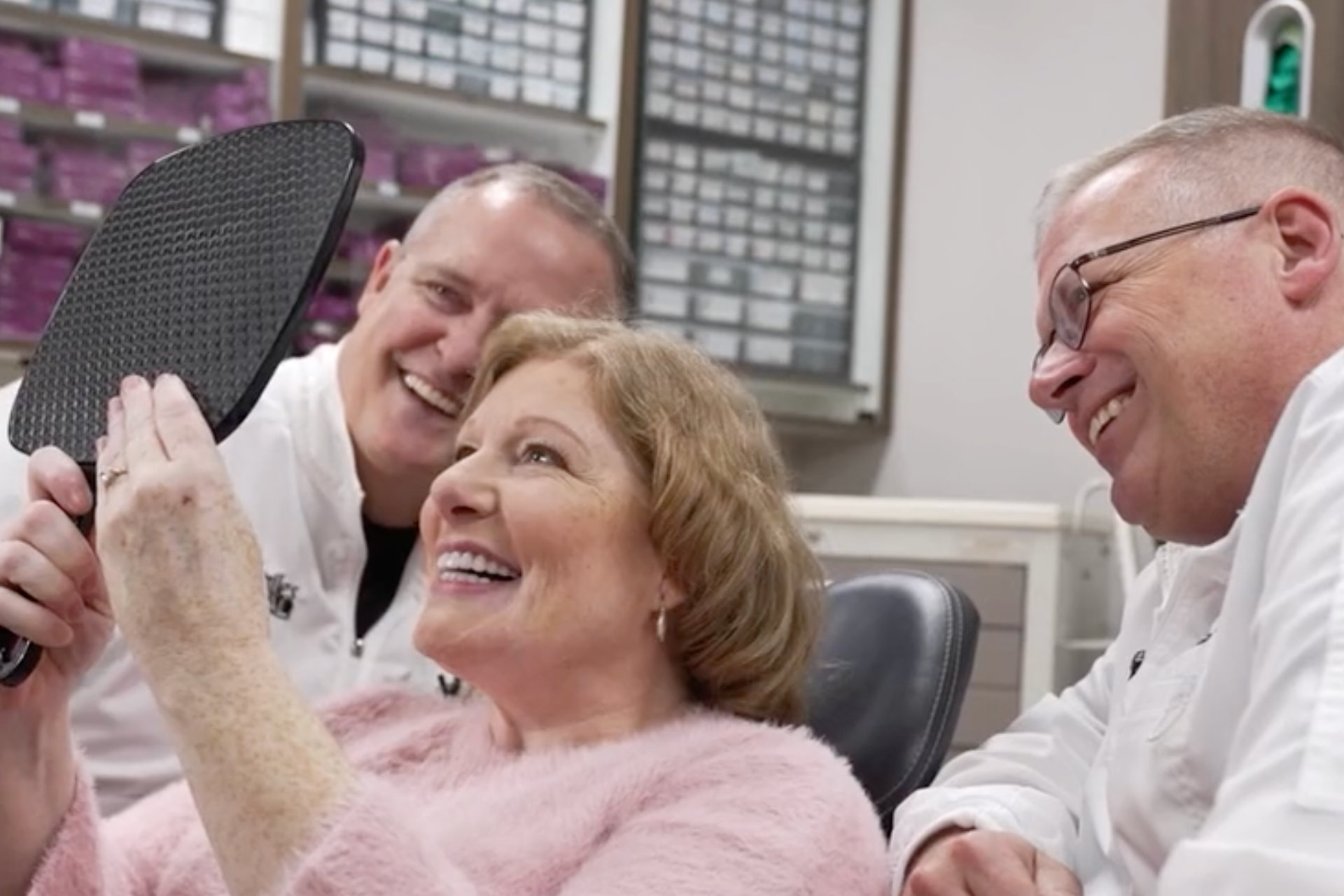
Dental anxiety is common, and it can affect both children and adults. A considerate dental team should listen without judgment and explain each step before beginning. Small details—such as an unhurried conversation, straightforward instructions, and permission to request a pause—can make an appointment feel more manageable.
When contacting an office, patients can ask how the team supports nervous visitors. They should also share previous difficult experiences, a strong gag reflex, sensitive teeth, or any other concern that might affect comfort.
4. Services that fit the household’s needs
Before choosing a practice, families should consider the types of care they are most likely to need. Routine prevention may be the immediate priority, but it is also useful to understand how the office handles damaged teeth, cosmetic concerns, missing teeth, and dental emergencies.
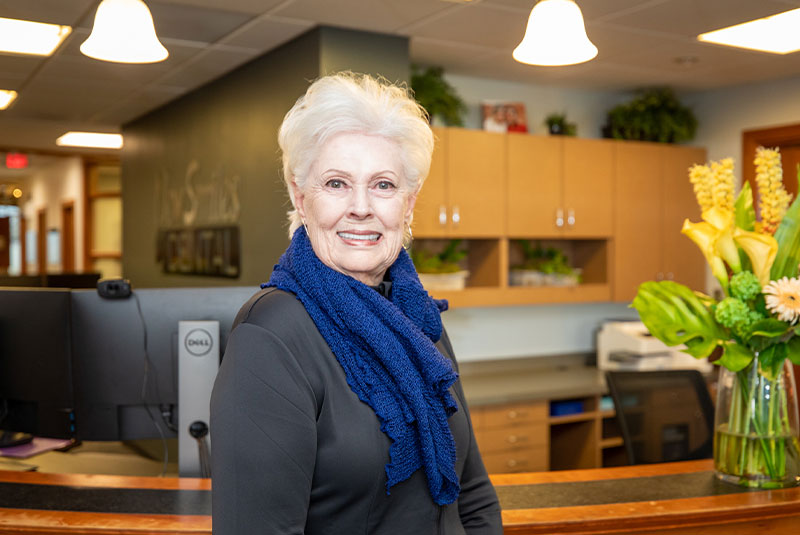
New Smiles provides general and family dentistry in Sherwood, OR, with care designed for patients of different ages. The practice’s stated approach emphasizes comprehensive, personalized care, a welcoming setting, and open communication about procedures and costs.
5. Convenient location and scheduling
A dental office is easier to visit consistently when it fits into everyday life. Consider travel time from home, work, or school, as well as parking, office hours, and scheduling policies.
New Smiles is located at 17680 SW Handley St., Suite 101, Sherwood, OR 97140, near Highway 99, with on-site parking. Families can contact the office to confirm current hours and appointment availability.
6. A plan for urgent dental concerns
Dental problems do not always happen on schedule. Ask prospective practices how they handle toothaches, broken teeth, lost restorations, or oral injuries. Knowing whom to call can reduce uncertainty when a problem occurs.
Severe facial swelling, difficulty breathing or swallowing, uncontrolled bleeding, or significant facial trauma may require emergency medical attention. When there is uncertainty about the urgency of symptoms, contacting a dentist or appropriate medical professional promptly is the safest next step.
Questions to Ask Before Choosing a Dental Practice
A brief conversation with the office can reveal a great deal about its approach to patient care. Useful questions include:
- Does the practice care for patients in the relevant age groups?
- What happens during a new-patient appointment?
- How does the team help patients who feel anxious?
- How are treatment options and costs explained?
- Does the office accept the patient’s dental insurance plan?
- Are payment or financing options available for eligible treatment?
- How does the practice respond to urgent dental problems?
- Can family appointments be coordinated when scheduling allows?
Insurance participation and estimated coverage should be confirmed directly with both the dental office and insurance carrier. An estimate is not always a guarantee of final benefits or out-of-pocket cost.
What to Expect at a First Dental Visit
A first appointment generally begins with paperwork covering dental concerns, health conditions, medications, allergies, and previous treatment. Accurate medical information matters because overall health and oral health are closely connected, and some conditions or medications can influence dental care.
The clinical portion may include an examination of the teeth, gums, bite, and existing dental work. The dentist may recommend X-rays based on the patient’s age, history, symptoms, and current clinical findings. A cleaning may be completed during the same visit, although patients with active gum problems or more complex needs may require a different plan.
After the evaluation, the dentist should discuss the findings in understandable language. If treatment is recommended, the patient can ask about its purpose, alternatives, urgency, likely benefits, possible risks, and anticipated cost before deciding how to proceed.
How Families Can Make Dental Visits Easier
A little preparation can help an appointment feel more comfortable and productive. Patients should bring identification, insurance information if applicable, a current medication list, and relevant dental records when requested.
For children, caregivers can use simple and positive language. Describing the visit as a chance for the dentist to count and clean teeth is often more reassuring than discussing needles, pain, or negative experiences. Promising that nothing will feel uncomfortable is best avoided because each visit is different.
Adults with dental anxiety should mention it while scheduling rather than waiting until treatment begins. This gives the team time to discuss accommodations and answer questions. Patients should also tell the dentist about current pain, sensitivity, bleeding gums, jaw discomfort, or changes in the mouth, even if the concern seems minor.
Frequently Asked Questions
How often should a family visit the dentist?
There is no single schedule that is right for every person. The recommended interval depends on cavity risk, gum health, age, medical history, home care, and ongoing treatment needs. A dentist can recommend an appropriate schedule after an examination.
Is a family dentist only for households with children?
No. Family dentistry can serve children, teenagers, adults, and older adults. Individuals and couples can also choose a family practice for comprehensive, ongoing care.
What should someone do about a toothache?
A toothache can have several causes and should be assessed by a dentist, especially if it persists or worsens. Pain accompanied by swelling, fever, drainage, difficulty swallowing, or facial swelling deserves prompt attention. Severe or potentially life-threatening symptoms require emergency medical care.
Can family members schedule appointments together?
Some practices may coordinate appointments for multiple family members when the schedule permits. Patients should ask the office about availability and how much time to reserve for each visit.
How can a patient tell whether a dentist is a good fit?
A good fit usually combines clinical care with clear communication, respect, comfort, and convenience. Patients should feel able to ask questions and understand their options without feeling rushed or pressured.
Should cost be discussed before treatment?
Yes. The office should provide available cost information and explain payment expectations before planned treatment. Patients using insurance should remember that benefit estimates can change after the insurer reviews the claim.
Find a Family Dentist in Sherwood, OR
The right family dentist can make preventive care easier to maintain and dental decisions less stressful. When comparing practices, families should look for personalized care, understandable explanations, a welcoming environment, and services that can adapt as their needs change.
New Smiles offers general and family dental care in Sherwood, OR, with an emphasis on considerate, comprehensive treatment and patient communication. To ask a question or arrange a visit, contact New Smiles at (503) 925-9595 or visit the office at 17680 SW Handley St., Suite 101, Sherwood, OR 97140. A consultation with the dental team can help determine the next appropriate step for each patient’s smile.