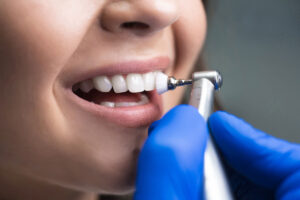
What happens when several small dental concerns affect the way your smile looks or functions at the same time? A chipped tooth, uneven edges, discoloration, spacing, and worn teeth may each seem like separate issues. A smile makeover can bring those concerns into one coordinated treatment plan, allowing cosmetic and restorative procedures to work together instead of being planned independently.
A smile makeover is not one specific procedure. It is a customized combination of treatments designed around a patient’s dental health, facial features, bite, and goals. Depending on what needs to be addressed, a plan may include veneers, cosmetic bonding, orthodontic treatment, teeth whitening, crowns, dental implants, or other restorative procedures.
What Is A Smile Makeover?
A smile makeover is a personalized approach to improving the appearance and function of multiple teeth. Some patients need only one cosmetic procedure, while others benefit from several treatments completed in a carefully planned sequence.
The important distinction is that a smile makeover should not simply be about making teeth whiter. A well-planned treatment considers tooth shape, size, position, gum appearance, bite, facial proportions, and long-term dental health.
For example, whitening may be enough for someone whose primary concern is tooth color. Another patient may need orthodontic treatment to improve tooth position before considering veneers. Someone with broken or missing teeth may need restorative treatment first.
Who May Be A Candidate For A Smile Makeover?
Smile makeovers can be appropriate for adults with a variety of cosmetic and restorative concerns. Common reasons people explore treatment include:
- Discolored teeth
- Chipped or cracked teeth
- Uneven tooth shapes
- Gaps between teeth
- Crowded or mildly misaligned teeth
- Worn-down teeth
- Missing teeth
- Old dental restorations that no longer blend well
- Teeth that have different sizes or proportions
However, cosmetic treatment should begin with healthy foundations. Active cavities, significant gum disease, infections, or other dental problems may need attention before cosmetic procedures are started.
Why A Smile Makeover Starts With An Evaluation
It can be tempting to focus only on what you see in the mirror. However, teeth are connected to the gums, jaw, bite, and supporting structures. A treatment that looks beautiful but ignores oral health may not provide the long-term result a patient wants.
During an evaluation, the dental team can look at the condition of the teeth and gums, discuss your concerns, and determine which treatments could address them. Photos, digital scans, X-rays, and bite evaluations may be used when appropriate.
This planning stage also gives patients an opportunity to discuss what they like and dislike about their current smile. Some people want a subtle improvement, while others want a more comprehensive transformation.
Treatments That May Be Part Of A Smile Makeover
Porcelain Veneers
Veneers are thin, custom-made coverings placed on the front surfaces of teeth. They can address concerns involving color, shape, minor spacing, chips, and other cosmetic issues. They are often considered when several visible teeth need coordinated changes.
Cosmetic Bonding
Bonding uses tooth-colored restorative material to reshape or repair teeth. It can be useful for smaller chips, slight gaps, and minor changes in tooth shape. Because it can often be completed quickly, bonding may be appropriate when only a few teeth need attention.
Teeth Whitening
Professional whitening can brighten natural teeth and may be included when tooth color is a major concern. Whitening is often considered before other cosmetic restorations so the final shade can be selected with the desired tooth color in mind.
Clear Aligners
Clear aligners can help improve tooth position and spacing for appropriate patients. When alignment is part of the concern, orthodontic treatment may be completed before cosmetic restorations.
Dental Crowns
Crowns can restore teeth that have significant structural damage. Unlike veneers, which primarily cover the visible front surface, crowns surround the tooth and provide more extensive protection.
Dental Implants
When teeth are missing, dental implants can replace individual missing teeth or support larger restorations. Replacing missing teeth may be an important part of creating a balanced smile that also functions properly.
How A Smile Makeover Is Planned
The process begins with your goals. What would you like to change? Which concerns matter most? Are there functional issues such as difficulty chewing, tooth sensitivity, or worn teeth?
Once those questions are answered, the dental team can identify treatment priorities. Health concerns generally come first. After that, restorative and cosmetic procedures can be sequenced in a logical order.
Some patients may benefit from a digital preview or trial smile before permanent cosmetic changes are made. Seeing a proposed result can help patients understand the possible shape and proportions before committing to treatment.
Why Treatment Order Matters
Imagine painting a room before repairing the wall underneath. The paint may look good temporarily, but the underlying problem remains. Dental treatment works in a similar way.
If a patient has gum inflammation, active decay, or an unhealthy tooth, those concerns may need to be addressed before cosmetic work. Once the foundation is healthy, cosmetic treatment can be designed to fit the mouth more predictably.
Alignment may also matter. If teeth are crowded, moving them first can sometimes create a better foundation for cosmetic restorations. Likewise, if a tooth needs a crown because it is structurally weak, a veneer may not be the appropriate solution.
What Makes A Smile Makeover Look Natural?
Natural-looking cosmetic dentistry is not simply about making every tooth the same shape and color. Teeth have subtle differences, and the final result should complement the person’s face.
Important considerations include tooth length, width, shape, gumline, facial proportions, and how much tooth shows when smiling. Bite function also matters. A restoration needs to look good, but it also needs to work comfortably.
Color is another consideration. Extremely bright teeth may not look natural on every patient. Shade selection should take into account skin tone, facial features, existing teeth, and the patient’s personal preferences.
Benefits of Smile Makeovers
- Customized treatment: A smile makeover can combine treatments based on your specific concerns rather than using one solution for everyone.
- Coordinated results: Multiple treatments can be planned together for better harmony between teeth.
- Improved appearance: Changes in color, shape, spacing, and tooth proportions can create a more balanced smile.
- Better function: Restorative treatments can address worn, damaged, or missing teeth.
- Health-focused planning: A comprehensive approach can address underlying dental problems before cosmetic treatment.
- Personalized expectations: Patients can discuss desired changes before treatment begins.
- Long-term planning: A coordinated plan can help protect the investment in your dental care.
How Long Does A Smile Makeover Take?
There is no universal timeline because every smile makeover is different. A simple plan involving whitening and bonding may take only a few appointments. More comprehensive treatment involving orthodontics, implants, crowns, or multiple veneers can take several months.
The treatment sequence is determined by what your teeth need and how much change you want. Rushing treatment can create unnecessary problems, so a thoughtful plan is generally more valuable than simply choosing the fastest option.
How To Maintain Your New Smile
Once treatment is complete, maintaining your oral health helps protect the results. Brush twice daily, clean between your teeth, attend routine dental visits, and follow any specific instructions for restorations.
If you grind or clench your teeth, a custom night guard may be recommended. Hard foods and habits such as biting pens or ice can also damage restorations.
Cosmetic dentistry does not make teeth invincible. However, good home care and professional maintenance can help restorations remain attractive and functional for years.
Is A Smile Makeover Right For You?
A smile makeover may be worth considering if you have several concerns and want them addressed as part of one coordinated plan. It can be especially helpful when cosmetic and restorative needs overlap.
The best starting point is a conversation. You do not have to know which procedures you need before your consultation. That is part of the purpose of the evaluation.
If you are considering a smile makeover in Sherwood, OR, contact New Smiles Dental at (503) 925-9595 to Schedule a Consultation and explore a personalized plan designed around your smile, oral health, and goals.