A smile does not need to be perfectly uniform to look healthy and attractive. Still, chips, discoloration, gaps, or uneven teeth can make some people hesitant to smile. Porcelain veneers offer a cosmetic option for changing the visible shape, color, and proportions of selected teeth.
Veneers are highly personalized. A successful result should complement the patient’s facial features and existing teeth rather than look overly bright or artificial. For people considering porcelain veneers in Sherwood, OR, understanding the process can make the decision feel more comfortable and informed.
Clinical note: This article provides general educational information and cannot determine whether veneers are appropriate for a specific person. A dentist must examine the teeth, gums, bite, and oral health before recommending treatment.
What Are Porcelain Veneers?
Porcelain veneers are thin, custom-made ceramic shells bonded to the front surfaces of teeth. Dentists most often use them on the visible teeth that show when a person smiles. The ceramic can be shaped and shaded to blend with nearby natural teeth.
Veneers primarily provide cosmetic changes. Depending on the patient’s needs, they may improve the appearance of:
- Teeth with stubborn or uneven discoloration
- Small chips or worn edges
- Minor gaps between teeth
- Teeth that appear too small or irregularly shaped
- Mild visual unevenness or misalignment
- Several front teeth with inconsistent proportions
A veneer covers the visible front of a tooth, while a dental crown surrounds most or all of the tooth above the gumline. Crowns are often considered when a tooth needs more extensive structural support. Veneers are generally used when the underlying tooth is healthy enough to support a conservative cosmetic restoration.
Why Patients Choose Porcelain
Dental porcelain reflects light in a way that can resemble natural enamel. It also allows the dentist and dental laboratory to control details such as translucency, surface texture, shape, and shade.
Porcelain is resistant to many common surface stains, but it is not indestructible or entirely stain-proof. Coffee, tea, tobacco, and other strongly pigmented substances can still affect the appearance of the surrounding natural teeth and the margins near a veneer.
Other potential advantages include the ability to address several cosmetic concerns at once and to customize each tooth individually. However, results vary according to oral health, bite forces, treatment planning, materials, and home care. Veneers cannot guarantee a particular appearance or last forever.
Who May Be a Candidate for Veneers?
A suitable candidate generally has healthy teeth and gums, enough sound enamel for predictable bonding, and realistic expectations about the outcome. The dentist also needs to evaluate how the upper and lower teeth come together.
Veneers may not be the first treatment recommended when a patient has active tooth decay, gum disease, significant enamel loss, severely weakened teeth, or uncontrolled teeth grinding. These concerns do not always rule out cosmetic treatment, but they may need to be addressed first.
Some cosmetic concerns also have more conservative alternatives. Professional whitening may be preferable when color is the only concern. Orthodontic treatment may be more appropriate when tooth position or the bite requires meaningful correction. Composite bonding may work for a small chip or isolated contour change.
The goal of a consultation is not simply to decide whether veneers are possible. It is to identify the option that protects oral health while meeting the patient’s priorities.
What to Expect During the Veneer Process
1. Consultation and smile planning
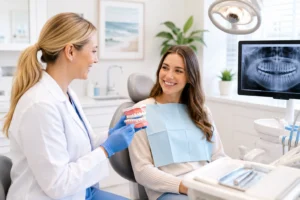
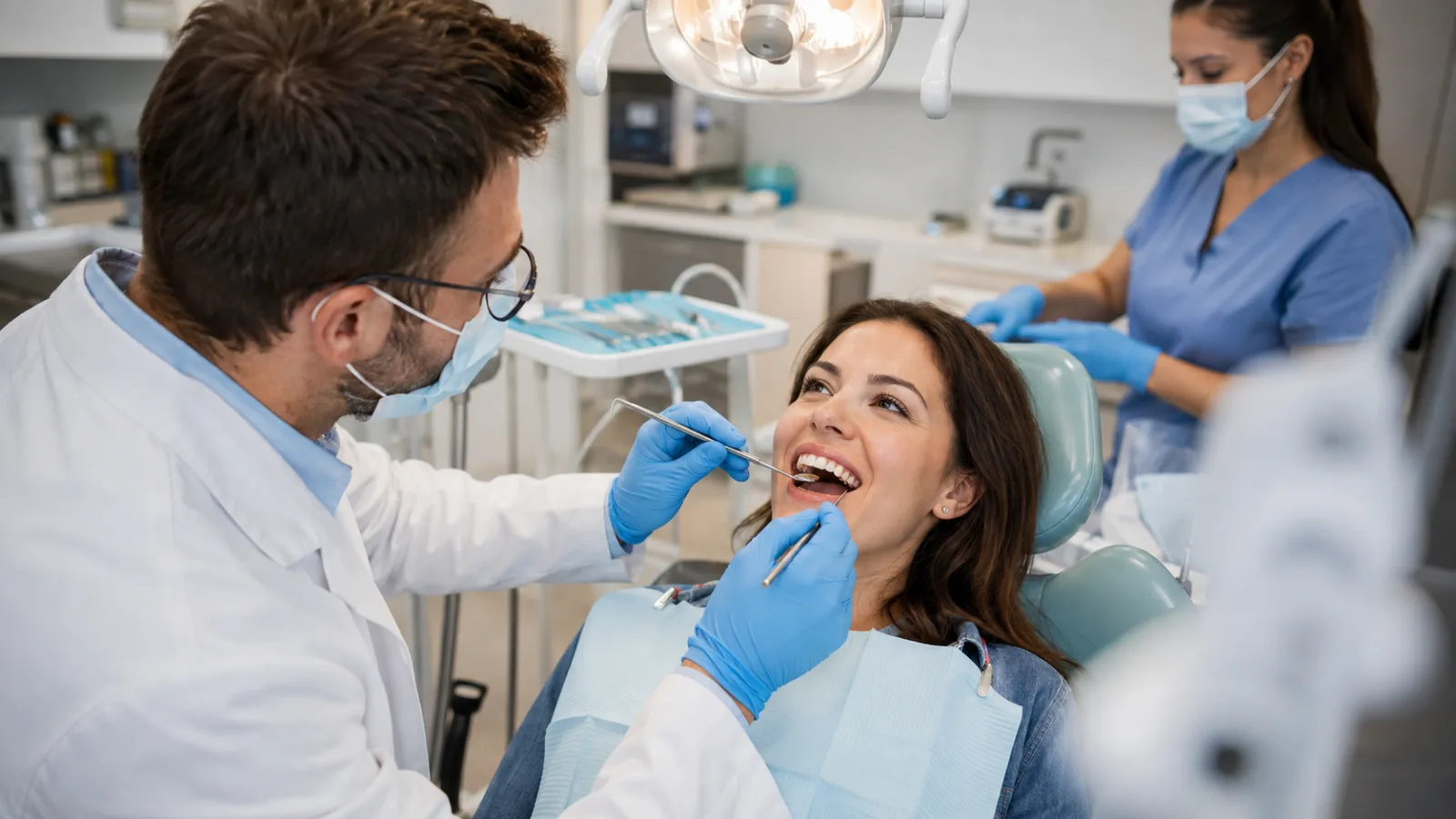
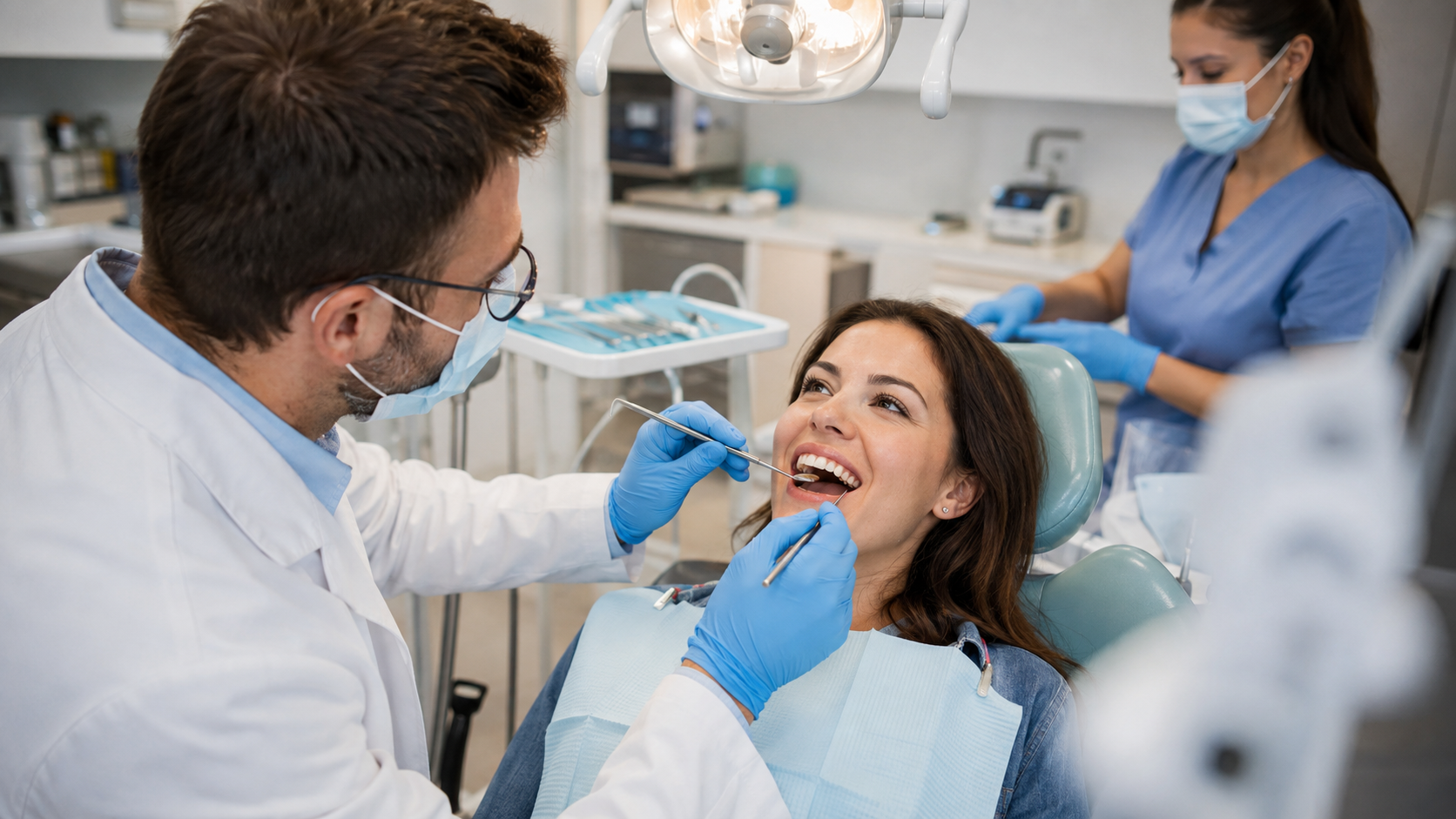
The process begins with a conversation about what the patient likes and would prefer to change. The dentist examines the teeth and gums, evaluates the bite, and may take photographs, digital scans, or X-rays when clinically appropriate.
Shade, tooth length, symmetry, facial proportions, and the number of visible teeth all influence the plan. Patients should feel comfortable describing whether they want a subtle refinement or a more noticeable change.
2. Previewing the proposed design
Depending on the case, the dentist may use digital planning, models, or a temporary mock-up to communicate the proposed shape and proportions. A preview helps the patient and clinical team discuss preferences before the final restorations are completed.
New Smiles has an in-house dental laboratory at its Sherwood office. According to the practice, its dentists and laboratory team can collaborate on the design and customization of ceramic veneers in one location.
3. Preparing the teeth
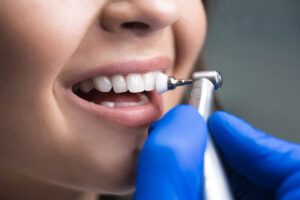
Many porcelain veneers require the dentist to remove a small amount of enamel so the ceramic can fit without making the teeth look bulky. Local anesthetic may be used to support comfort during this step. Because enamel removal cannot be reversed, patients should understand that conventional veneer treatment is typically a long-term commitment.
Some cases may qualify for minimal-preparation or no-preparation veneers, but these approaches are not right for every smile. Research indicates that case selection matters because tooth position, discoloration, and the desired shape affect whether an ultra-thin restoration can produce an appropriate result.
4. Creating and evaluating the veneers
Each veneer is designed to match the agreed-upon shade and shape. If temporary veneers are needed, they protect the prepared teeth and give the patient a general sense of the planned appearance. Temporary material may feel different from the final polished ceramic.
Before bonding the final veneers, the dentist evaluates their fit, color, contour, and relationship to the bite. The patient may also have an opportunity to view the appearance and discuss reasonable adjustments.
5. Bonding and follow-up
The dentist cleans and conditions the teeth before bonding the veneers with dental adhesive and cement. The bite is checked to reduce unwanted pressure on the ceramic.
Some patients notice temporary tooth or gum sensitivity after preparation or placement. The gums may also need a little time to settle around the restorations. Persistent pain, a bite that feels uneven, swelling, or a loose or damaged veneer should be reported to the dentist promptly. A follow-up visit allows the dental team to check comfort, gum response, and bite alignment.
How Long Do Porcelain Veneers Last?
Veneers are durable restorations, but their lifespan varies. The Cleveland Clinic notes that dental veneers often last approximately 10 to 15 years with appropriate care and maintenance. Some require replacement earlier, while others remain functional longer.
Longevity depends on several factors, including bonding conditions, remaining enamel, bite forces, teeth grinding, oral hygiene, diet, and accidental trauma. A veneer can chip, crack, debond, or develop decay around its margins even though the porcelain itself cannot decay.
Patients who clench or grind their teeth may be advised to wear a custom night guard. It is also important to avoid using veneered teeth to open packages, bite fingernails, chew ice, or hold hard objects.
Caring for Veneers at Home
Porcelain veneers do not require a complicated maintenance routine. They do require consistent care of the teeth and gums beneath and around them.
- Brush twice daily with a soft-bristled toothbrush and nonabrasive fluoride toothpaste.
- Floss every day, including along the edges of veneered teeth.
- Attend routine dental examinations and professional cleanings.
- Avoid biting directly into unusually hard foods with the front teeth.
- Wear recommended protection during sports or nighttime teeth grinding.
- Ask a dentist before using highly abrasive whitening products.
Whitening products do not lighten porcelain in the same way they lighten natural enamel. A patient who wants whiter teeth may benefit from completing whitening before veneers are shade-matched. The dentist can then plan the ceramic color around the updated smile.
Understanding Veneer Cost
The cost of porcelain veneers varies because every treatment plan is different. Important factors include the number of teeth treated, the complexity of the design, whether existing dental problems need attention, the materials used, and whether other procedures are part of the plan.
Dental insurance often considers veneers cosmetic and may not cover them, although benefits vary. Patients should request a written estimate and ask what it includes. Useful questions cover examinations, imaging, temporary restorations, laboratory work, final placement, follow-up visits, and available payment options.
Choosing treatment based only on the lowest advertised price can overlook important considerations. Careful diagnosis, conservative preparation, precise bonding, a balanced bite, and a natural-looking design all contribute to a well-planned result.
Frequently Asked Questions
Does getting porcelain veneers hurt?
Dentists can use local anesthetic when teeth need preparation, so patients generally should not feel sharp pain during that step. Mild sensitivity or gum tenderness can occur afterward. The experience varies, and significant or persistent discomfort should be evaluated.
Do veneers damage natural teeth?
Conventional veneers often require some permanent enamel removal. When properly planned, the goal is to preserve as much healthy tooth structure as practical. Patients should discuss the amount of preparation, alternatives, and long-term replacement needs before proceeding.
Can veneers fix crooked teeth?
Veneers can sometimes make mildly uneven teeth look straighter, but they do not move teeth or correct the underlying bite. Clear aligners or other orthodontic treatment may be more appropriate for moderate crowding, rotation, or bite problems.
Can porcelain veneers be whitened?
No. Conventional whitening agents do not meaningfully change the shade of porcelain. Patients concerned about overall color should discuss whitening their natural teeth before selecting the veneer shade.
Are no-prep veneers available to everyone?
No. No-prep or minimal-prep veneers can work in carefully selected situations, but adding ceramic without creating space may make some teeth look bulky. Tooth position, existing color, enamel, and the desired change determine whether this approach is suitable.
How many veneers does a person need?
There is no standard number. One veneer may restore an isolated tooth, while several may be used to create consistency across the visible smile. The appropriate number depends on smile width, neighboring teeth, goals, and budget.
Explore Porcelain Veneers in Sherwood, OR
Porcelain veneers can create a subtle or noticeable smile change, but thoughtful planning matters. A personalized evaluation helps clarify whether veneers, whitening, bonding, orthodontics, crowns, or another option would best address the concern.
New Smiles provides ceramic veneer consultations in Sherwood, Oregon. Patients can contact the practice at 503-925-9595 or visit 17680 SW Handley St #101, Sherwood, OR 97140 to ask questions and discuss possible next steps. A consultation is an opportunity to learn about options without assuming that one treatment is right for every smile.