Missing teeth can affect more than your smile. They can make chewing difficult, change the way your jaw feels, affect speech, and even contribute to bone loss in the jaw. Dental implants provide a strong, long-lasting solution that looks natural, restores function, and protects oral health. If you have one or more missing teeth, implants may be the ideal way to regain confidence and comfort in your daily life.
This guide will explain what dental implants are, how the process works, who is a good candidate, and why they have become the preferred solution for tooth replacement for millions of patients.
What Dental Implants Are
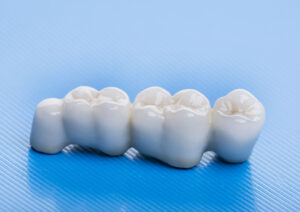
A dental implant is a small post, usually made of titanium, that is surgically placed into the jawbone where a tooth is missing. This post acts like a natural tooth root, providing support and stability for a replacement tooth, called a crown. For patients missing multiple teeth, implants can support bridges or full-arch restorations, offering a permanent alternative to removable dentures.
Unlike traditional bridges that rely on adjacent teeth for support, dental implants protect healthy teeth by replacing only the missing tooth. They are designed to integrate with your jawbone, ensuring long-term stability and strength.
Who Is a Candidate for Dental Implants
Most adults are candidates for dental implants, provided they have healthy gums and sufficient bone to support the post. Some factors that influence candidacy include:
- Bone density and volume in the jaw
- Overall oral health and gum condition
- General health conditions such as diabetes or heart disease
- Smoking or tobacco use
- Oral hygiene habits
Even patients with bone loss may still be eligible for implants through bone grafting, which rebuilds the jaw to provide a strong foundation. Age alone is rarely a limiting factor, and many patients in their 50s, 60s, or older find dental implants transformative.
The Dental Implant Process
The process for dental implants is methodical, precise, and designed for predictable, long-term success. Most patients find it manageable with minimal discomfort.
Initial Consultation
During your first visit, your dentist evaluates your oral health, takes digital images or CT scans, and discusses your goals. This step ensures that your treatment plan is tailored to your needs, whether you are replacing a single tooth or restoring an entire arch.
Implant Placement
The implant post is surgically placed into the jawbone under local anesthesia. Many patients report feeling pressure but not pain during the procedure. Sedation options are available for patients with anxiety or when multiple implants are placed.
Healing and Osseointegration
Over the next several months, the implant integrates with the jawbone in a process called osseointegration. This natural bonding creates a stable foundation for the replacement tooth. Temporary restorations can be used during this healing period for comfort and appearance.
Placement of the Restoration
Once the implant is fully integrated, a custom crown, bridge, or full-arch prosthesis is attached to the post. The restoration is designed to match your natural teeth in color, shape, and size, providing a seamless look and feel.
Caring for Dental Implants
Dental implants require the same care as natural teeth, including brushing, flossing, and regular dental checkups. Avoiding hard foods and wearing a night guard if you grind your teeth can help protect your investment. Implants are highly durable, and with proper care, many last decades or even a lifetime.
Benefits of Dental Implants
- Natural appearance: Dental implants look and feel like real teeth
- Improved chewing and function: Enjoy a full range of foods
- Bone preservation: Implants prevent bone loss in the jaw
- Long-term durability: With proper care, implants last many years
- Protect adjacent teeth: No need to alter neighboring teeth as with traditional bridges
- Confidence boost: Smiling, speaking, and eating without worry
- Enhanced oral health: Implants help maintain jaw strength and alignment
Common Questions About Dental Implants
How long does the process take? Treatment can vary, but most implants are completed in several months, including healing. Advanced techniques may allow faster timelines for some patients.
Is the procedure painful? Most patients report minimal discomfort. Local anesthesia and sedation options ensure a comfortable experience.
What about costs? Dental implants are an investment in long-term oral health and function. Payment plans and financing are often available to help patients manage the cost.
Can multiple teeth be replaced? Yes, implants can support single crowns, bridges, or even full arches for comprehensive restoration.
Dental implants restore both appearance and function, providing a permanent, natural solution for missing teeth. If you want to regain confidence in your smile and enjoy the foods you love without worry, dental implants may be the right choice.
Ready to explore dental implants in Sherwood, OR? Contact New Smiles at (503)-907-6193 or visit 17680 SW Handley St #101, Sherwood, OR 97140 to Schedule a Consultation and find out how dental implants can transform your smile.