What happens when a single missing tooth creates a gap that affects more than your smile? A missing tooth can change the way you chew, influence how nearby teeth move, and make everyday activities feel different. Dental bridges provide a fixed tooth replacement option designed to fill the space and restore both appearance and function.
At New Smiles Dental in Sherwood, OR, dental bridges are part of comprehensive restorative dentistry. A bridge can replace one or more missing teeth by using carefully designed dental restorations to span the empty space. For patients who want a nonremovable solution, a bridge can provide stability while helping maintain a balanced smile.
What Is A Dental Bridge?
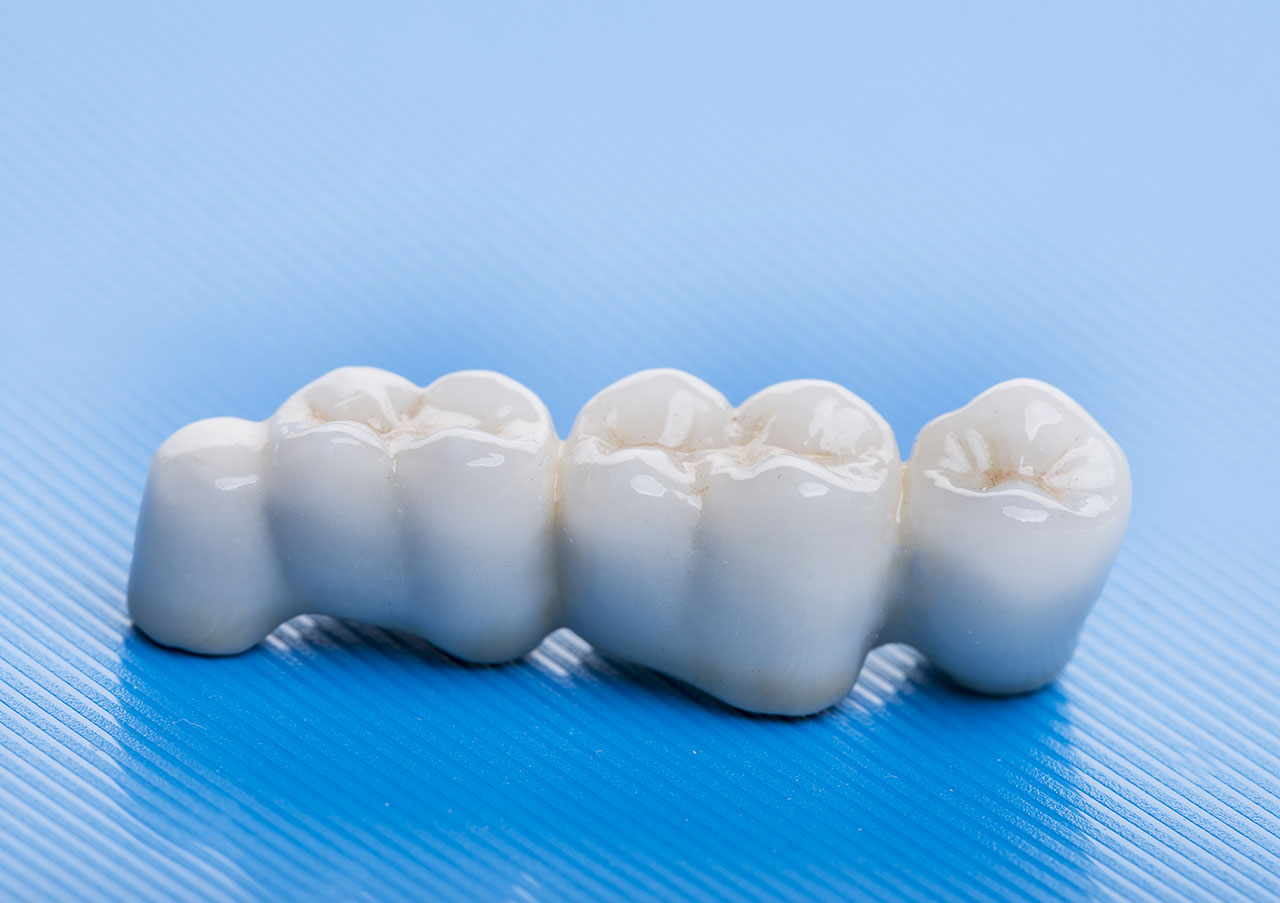
A dental bridge is a fixed restoration designed to replace one or more missing teeth. The replacement tooth or teeth are connected to supporting dental restorations, creating a bridge across the space left by missing teeth.
Traditional bridges typically use natural teeth on either side of the gap for support. Those teeth are prepared to receive crowns that are connected to the replacement tooth.
Another option is an implant-supported bridge. Instead of relying on natural teeth, dental implants provide the support for the restoration.
The best design depends on your oral health, the location of the missing tooth, the condition of neighboring teeth, available bone, and your long-term goals.
Why Replace A Missing Tooth?
Some patients assume that one missing tooth is not a major concern, particularly if it is toward the back of the mouth. However, even one missing tooth can affect how the teeth around it function.
Neighboring teeth may gradually shift toward the open space. The opposing tooth may also move into the area where the tooth is missing.
These changes can affect the way your teeth come together. They may also make cleaning more difficult in certain areas.
Replacing a missing tooth can help restore a more balanced bite and make chewing more comfortable.
Who May Be A Candidate For A Dental Bridge?
Dental bridges may be considered for adults who have one or more missing teeth and have healthy enough supporting structures to hold the restoration.
Before recommending a bridge, the dentist evaluates the neighboring teeth and gums. If the supporting teeth have significant decay, fractures, or gum disease, those issues may need to be treated first.
Patients with several missing teeth may also have different treatment options, including partial dentures or dental implants.
The goal is not simply to fill the space. The goal is to choose a restoration that fits the patient’s oral health and long-term needs.
How Traditional Dental Bridges Work
A traditional bridge uses teeth adjacent to the missing space as support. These teeth are carefully prepared so crowns can be placed over them.
The replacement tooth is connected to those crowns. Once the bridge is cemented into position, it remains in the mouth and functions as a fixed restoration.
This means you do not remove it at night or take it out to eat. Instead, you care for it as part of your normal oral hygiene routine.
What Is An Implant-Supported Bridge?
An implant-supported bridge uses dental implants rather than natural teeth as its foundation. This approach can be useful when several teeth are missing in a row.
Implants are placed into the jawbone and allowed to integrate with the surrounding bone. A custom bridge can then be attached to the implants.
Because the implants provide support independently of neighboring natural teeth, an implant-supported bridge can be an attractive option for some patients.
Not everyone needs implants, and not everyone is a candidate immediately. Bone levels, gum health, medical history, and other factors are considered during treatment planning.
What To Expect During Dental Bridge Treatment
The process depends on the type of bridge being considered.
Initial Evaluation
The dentist examines the missing tooth area and evaluates the surrounding teeth, gums, bite, and jaw structure.
Digital X-rays or other imaging may be used to understand the condition of the supporting teeth and underlying bone.
Treatment Planning
The dentist explains the available options and discusses the advantages and limitations of each approach.
This is an important step because tooth replacement is not one-size-fits-all. The best restoration depends on your specific situation.
Preparing Supporting Teeth
For a traditional bridge, supporting teeth are prepared to receive crowns. Impressions or digital scans are then used to design the restoration.
Creating The Bridge
The bridge is fabricated to fit the prepared teeth and blend with surrounding teeth. Shade, shape, size, and bite are all considered.
Final Placement
Once the restoration is ready, it is evaluated for fit and function. Adjustments can be made as needed before the bridge is permanently secured.
Eating With A Dental Bridge
One of the primary goals of tooth replacement is to restore chewing function. A properly designed bridge can allow you to return to many of the foods you enjoyed before tooth loss.
However, it is wise to be cautious immediately after treatment. Your mouth may need time to adjust, particularly if the missing tooth has been absent for a long period.
Once you are comfortable, normal chewing can generally resume according to your dentist’s instructions.
Caring For A Dental Bridge
A dental bridge requires daily care. Food and plaque can collect around the restoration and supporting teeth, so cleaning these areas carefully is essential.
- Brush twice daily.
- Clean between the teeth every day.
- Use flossing tools designed to clean beneath the bridge when recommended.
- Attend regular dental cleanings.
- Avoid biting extremely hard objects.
- Report changes in fit, comfort, or sensitivity.
Patients with a bridge should pay particular attention to the gumline around the supporting teeth.
How Long Can A Dental Bridge Last?
The lifespan of a bridge varies depending on oral hygiene, bite forces, supporting tooth health, diet, and other factors.
Good daily care can help extend the useful life of the restoration. Regular dental visits are also important because the dentist can inspect the bridge and supporting structures.
If you grind or clench your teeth, discuss this with your dentist. Excessive bite forces can place additional stress on restorations.
Dental Bridges And Your Smile
A missing tooth can create a visible gap, depending on its location. A bridge can be custom-designed to blend with the surrounding teeth in shape and color.
Modern dental materials allow restorations to look natural rather than artificial. The goal is to create a replacement that fits into your smile rather than standing apart from it.
Dental Bridges Versus Removable Dentures
A traditional dental bridge is fixed in place, while a partial denture can be removed. Some patients prefer the stability of a fixed bridge because they do not have to remove it during meals or at night.
However, a partial denture may be more appropriate when several teeth are missing in different areas or when the supporting teeth are not suitable for a bridge.
During a consultation, your dentist can explain how each option would work in your mouth.
Dental Bridges Versus Dental Implants
Dental implants replace the tooth root as well as the visible tooth. A traditional bridge does not replace the root. Instead, it relies on supporting teeth.
Implants can be an excellent long-term option for many patients, but they require surgery and sufficient bone support. A traditional bridge may provide a simpler path to replacing a missing tooth for an appropriate patient.
The right decision depends on your goals, anatomy, oral health, timeline, and preferences.
Benefits of Dental Bridges
- Restores a missing tooth: A bridge fills the space created by tooth loss.
- Improves chewing: Replacing missing teeth can help restore everyday eating function.
- Supports speech: Replacing missing teeth can help with certain sounds and pronunciation.
- Fixed solution: A traditional bridge remains in place rather than being removed for meals.
- Natural appearance: Modern materials can be designed to blend with surrounding teeth.
- Helps maintain tooth position: Replacing a missing tooth can help reduce unwanted movement into the open space.
- Customized treatment: The restoration can be designed around your bite, tooth shape, and smile.
When To Consider Replacing A Missing Tooth
If you have been missing a tooth for years, you may have adjusted to it. However, that does not mean the area no longer deserves attention.
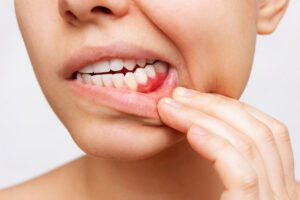
Changes in chewing, shifting teeth, gum irritation, or difficulty cleaning around the space may indicate that it is time to discuss tooth replacement.
A consultation does not commit you to a particular treatment. It gives you an opportunity to understand your options.
Restore Your Smile With A Personalized Plan
A missing tooth does not have to remain an unanswered problem. Dental bridges offer a proven fixed option for restoring spaces caused by tooth loss, while implant-supported solutions can provide another approach for appropriate patients.
Contact New Smiles Dental in Sherwood, OR, at (503) 925-9595 to Schedule a Consultation and learn which dental bridge or tooth replacement option may be right for you.