What if the reason you wake up tired has less to do with how many hours you sleep and more to do with what happens while you are asleep? For people with obstructive sleep apnea, breathing can repeatedly become restricted during the night, interrupting normal sleep patterns and leaving the body working harder than it should. Because these interruptions happen while you are asleep, it may be difficult to recognize the problem without help from a partner, a sleep evaluation, or a healthcare professional.
At New Smiles Dental in Sherwood, OR, sleep apnea treatment can include a custom oral appliance designed around the patient’s teeth and mouth. Oral appliance therapy is one approach that may be considered for appropriate patients, particularly when a comfortable, convenient alternative to other forms of treatment is desired. Understanding how sleep apnea affects the body, what an oral appliance does, and when professional evaluation is appropriate can help you take a more informed approach to nighttime health.
What Is Obstructive Sleep Apnea?
Obstructive sleep apnea is a sleep-related breathing disorder in which the upper airway repeatedly becomes blocked or narrowed during sleep. When airflow is reduced, the body may briefly wake or partially wake to restore normal breathing. These interruptions can happen many times throughout the night, even though the person may not remember them in the morning.
Because sleep is repeatedly disrupted, someone with sleep apnea may wake feeling as though they never truly rested. Daytime tiredness, difficulty concentrating, morning headaches, dry mouth, and loud snoring can sometimes accompany the condition.
Not everyone who snores has sleep apnea, and not everyone with sleep apnea snores loudly. That is why persistent symptoms deserve professional attention rather than being dismissed as simply a noisy sleeping habit.
Why Sleep Apnea Matters
Sleep is an important part of physical and mental recovery. During healthy sleep, the body has time to regulate many important processes. Repeated breathing interruptions can interfere with this restorative cycle.
Untreated sleep apnea may also be associated with broader health concerns. This does not mean every person who snores has a serious medical condition, but persistent symptoms should not be ignored.
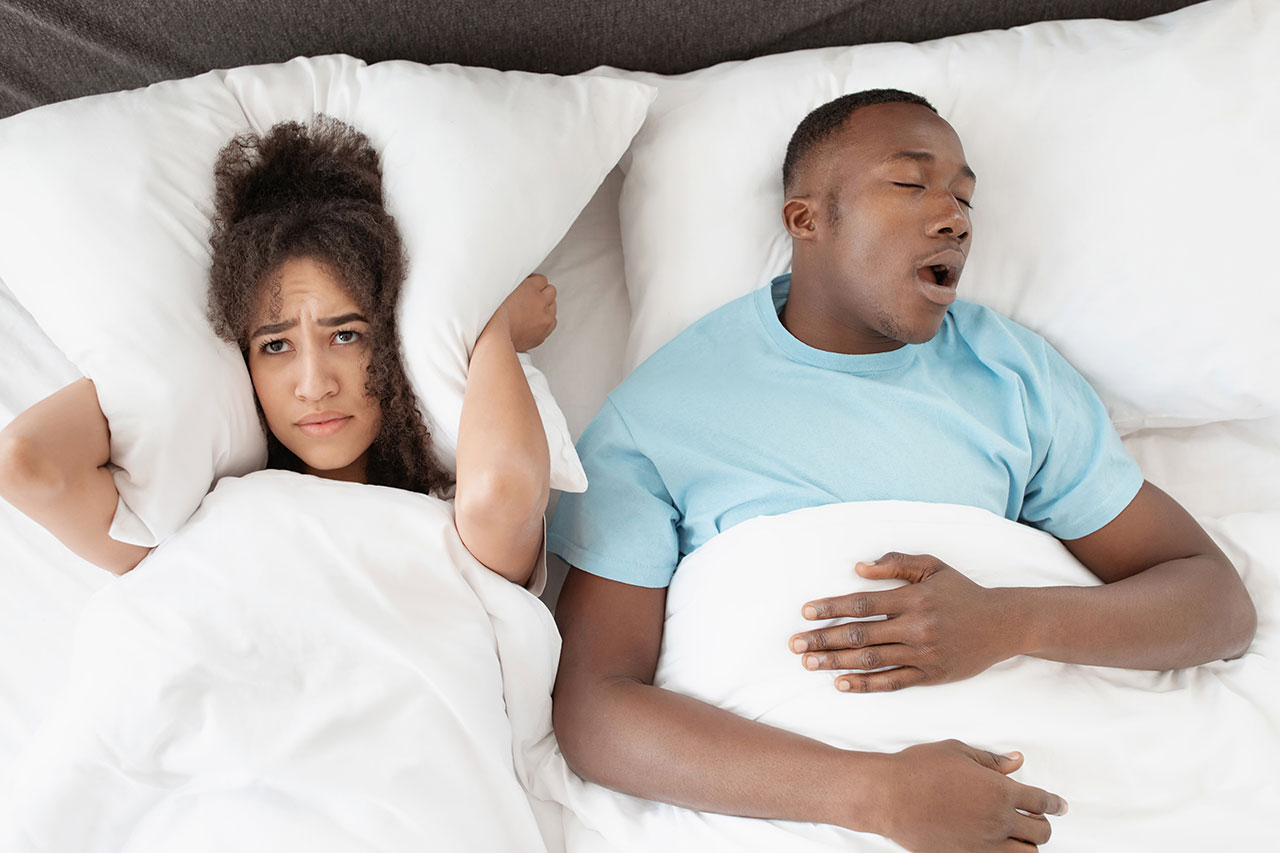
If a partner regularly notices pauses in breathing, gasping, choking sounds, or very loud snoring, it is worth discussing those symptoms with a qualified healthcare professional.
Common Signs Of Sleep Apnea
Sleep apnea can present differently from person to person. Some signs occur during sleep, while others become noticeable during the day.
- Loud or persistent snoring
- Observed pauses in breathing during sleep
- Gasping or choking sounds at night
- Morning headaches
- Dry mouth upon waking
- Daytime sleepiness
- Difficulty concentrating
- Irritability or mood changes
- Waking frequently during the night
- Feeling tired despite getting what seems like enough sleep
Having one of these symptoms does not automatically mean you have sleep apnea. However, several symptoms together can be a reason to seek further evaluation.
How Dentists Can Help With Sleep Apnea
Dentists are not a replacement for a physician or sleep specialist when it comes to diagnosing sleep apnea. However, dental professionals can play an important role in recognizing symptoms and providing certain treatment options after appropriate evaluation.
A dental examination can also evaluate the teeth, jaw, bite, and oral structures that are relevant to oral appliance therapy.
If sleep apnea is suspected, a patient may be encouraged to pursue a sleep evaluation before an appliance is prescribed. This helps determine whether sleep apnea is present and how severe it may be.
What Is An Oral Appliance?
An oral appliance is a custom dental device worn during sleep. It is designed to help maintain a more favorable position of the lower jaw and surrounding oral structures, which can help keep the airway more open for appropriate patients.
Unlike a generic mouthguard purchased from a store, a professionally fitted oral appliance is designed around the patient’s mouth. This can improve comfort and make it easier to wear consistently.
The appliance is usually worn at night while sleeping. Your dentist will explain how to insert it, remove it, clean it, and monitor its fit.
Who May Be A Candidate For Oral Appliance Therapy?
Oral appliance therapy may be considered for certain adults with obstructive sleep apnea, particularly people with mild to moderate cases or patients who need another treatment approach based on their individual circumstances.
It may also be considered for some patients who have difficulty tolerating another form of nighttime breathing treatment.
However, suitability should be determined through professional evaluation. An appliance is not automatically appropriate for every person with sleep apnea.
What Happens During An Oral Appliance Consultation?
The first step is a conversation about your symptoms, sleep habits, medical history, and goals. Your dentist will also examine your teeth, gums, jaw, and bite.
If sleep apnea has not already been diagnosed, you may be advised to obtain a sleep evaluation. This distinction is important because effective treatment begins with understanding the condition being treated.
Once oral appliance therapy is considered appropriate, measurements or digital records may be taken to create a custom appliance.
Getting Used To A Sleep Apnea Appliance
Like any new dental appliance, an oral appliance may take some time to feel familiar. Your jaw and mouth need an adjustment period.
Some patients notice temporary changes such as increased saliva or mild jaw awareness. If an appliance causes significant discomfort, it should be evaluated rather than simply tolerated.
Follow-up appointments can help determine whether the appliance fits properly and whether adjustments are needed.
How To Care For An Oral Appliance
Keeping the appliance clean is important for comfort and hygiene. Follow the specific cleaning instructions provided by your dental office.
- Rinse the appliance after removing it.
- Clean it regularly using the recommended method.
- Store it in a protective case when it is not being worn.
- Keep it away from excessive heat.
- Bring it to dental appointments so the fit can be checked.
Your dentist can also monitor the condition of the appliance and make sure it continues to fit appropriately.
Oral Appliance Therapy And Dental Health
A sleep appliance sits against the teeth for several hours each night, so dental health matters. Cavities, gum disease, loose teeth, missing teeth, or other oral concerns may affect whether an appliance is appropriate.
This is one reason a professional dental examination is important before treatment begins.
Patients should also continue routine dental care while using an oral appliance. Treating sleep apnea does not replace brushing, flossing, professional cleanings, or regular dental examinations.
Sleep Apnea And Your Partner
Sleep apnea can affect more than the person experiencing the symptoms. Loud snoring and repeated nighttime interruptions can disturb a partner’s sleep as well.
In many cases, a partner is the first person to notice unusual breathing patterns. If someone tells you that you stop breathing, gasp, or seem to struggle for air while sleeping, take that information seriously.
A conversation with a healthcare professional can help determine whether further testing is appropriate.
What Oral Appliance Therapy Does Not Mean
An oral appliance is not simply a general-purpose mouthguard. It is designed for a specific purpose and should be professionally evaluated and fitted.
It also does not mean every person can stop another prescribed sleep apnea treatment. Patients should never discontinue medical treatment without discussing that decision with the healthcare professional managing their condition.
The goal is to find an appropriate treatment strategy based on the individual’s needs.
Benefits of Sleep Apnea Treatment
- Potentially improved nighttime breathing: An appropriately fitted oral appliance may help maintain a more favorable airway position for suitable patients.
- Greater comfort: A custom appliance is designed around the patient’s mouth rather than using a generic fit.
- Convenient nighttime use: Oral appliances are designed to be worn while sleeping.
- Portable design: A small dental appliance can be convenient for travel.
- Professional monitoring: Dental follow-up allows the fit and condition of the appliance to be evaluated.
- Personalized treatment: The appliance can be designed around individual dental anatomy.
- Support for better sleep habits: Addressing nighttime breathing concerns may be an important part of a broader sleep health plan.
Sleep Apnea Treatment Is About More Than Snoring
Snoring may be the symptom that gets someone’s attention, but sleep apnea is about more than sound. Repeated interruptions in breathing can affect the quality of sleep and how a person feels during the day.
If you consistently wake tired, experience morning headaches, or have been told that your breathing pauses during sleep, consider discussing those symptoms with a healthcare professional.
For patients who are appropriate candidates for oral appliance therapy, a dental team can provide an important part of the treatment process.
When To Talk With New Smiles Dental
You do not have to determine your own diagnosis before making an appointment. If you have questions about sleep apnea, snoring, oral appliances, or nighttime jaw concerns, a consultation can help you understand what options may be available.
New Smiles Dental can evaluate your dental health and discuss whether an oral appliance may fit into your overall sleep care plan.
If you are concerned about snoring, nighttime breathing, or daytime fatigue, contact New Smiles Dental in Sherwood, OR, at (503) 925-9595 to Schedule a Consultation and learn whether oral appliance therapy may be appropriate for you.
Frequently Asked Questions About Sleep Apnea Treatment
Can a dentist diagnose sleep apnea?
A dentist can recognize signs that may suggest sleep apnea and can discuss oral appliance treatment, but diagnosis generally requires appropriate medical or sleep evaluation.
Does an oral appliance replace other sleep apnea treatments?
Not necessarily. Treatment depends on the individual and the severity of the condition. Patients should discuss any changes to an existing treatment plan with the healthcare professional managing their sleep apnea.
Is an oral appliance comfortable?
Custom appliances are designed for the individual mouth. An adjustment period is normal, and follow-up appointments can address fit or comfort concerns.