Missing teeth can change everyday routines in ways that are easy to overlook. Foods may become harder to chew, speech can feel different, and a smile that once felt natural may require more thought. Fortunately, modern dentures offer more than a simple replacement for missing teeth. They can restore chewing ability, support facial structure, and give patients a practical way to enjoy meals and daily conversations again.
At New Smiles Dental in Sherwood, OR, dentures can be part of a personalized tooth replacement plan. Full dentures may replace an entire arch of missing teeth, while partial dentures can fill spaces when some natural teeth remain. The right choice depends on your oral health, the number and location of missing teeth, your goals, and the type of stability you want.
What Are Dentures?
Dentures are removable dental appliances designed to replace missing teeth and surrounding gum tissue. They are custom-made to fit the contours of your mouth and are designed to restore important functions such as chewing and speaking.
There are two primary categories: full dentures and partial dentures. Although both replace missing teeth, they serve different situations.
Full Dentures
Full dentures replace all of the teeth in an upper arch, lower arch, or both. They rest against the gums and are shaped to provide a natural-looking smile while supporting chewing and speech.
Partial Dentures
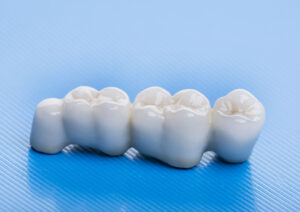
Partial dentures replace several missing teeth when some healthy natural teeth remain. Depending on the design, they may use those remaining teeth for support and stability.
For some patients, implant-supported tooth replacement may offer another option. A consultation can help compare the available approaches based on your dental health and priorities.
Who May Benefit From Dentures?
Dentures can be helpful for adults who have lost several or all teeth because of decay, gum disease, injury, age-related changes, or other dental conditions.
They may also be appropriate when remaining teeth are too damaged to provide predictable support. However, tooth replacement decisions should be based on a complete dental examination rather than simply the number of teeth that are missing.
The dental team will consider gum health, remaining teeth, jawbone condition, bite, comfort, and your expectations. This evaluation helps ensure that the final recommendation addresses more than appearance alone.
What Happens Before Dentures Are Made?
The process begins with an examination and conversation about your needs. If teeth need to be removed, the timing of extraction and denture fabrication will be planned carefully.
Measurements or digital records may be used to create a denture that fits your mouth. The dental team also evaluates your bite so the replacement teeth work together properly.
In some cases, temporary or immediate dentures may be discussed when teeth are being removed. These can allow a patient to avoid being without teeth during the transition, although adjustments are often needed while the mouth heals.
How Dentures Affect Everyday Life
It is normal for new dentures to require an adjustment period. Your tongue, cheeks, and jaw muscles need time to become accustomed to the new shape in your mouth.
Eating may feel different at first. Starting with softer foods and cutting food into smaller pieces can make the transition easier. As comfort improves, you can gradually introduce more foods.
Speech can also feel different initially. Reading aloud for a few minutes each day can help your tongue adapt to the new appliance.
Some patients notice increased saliva production during the first few days. This generally improves as the mouth becomes accustomed to the denture.
How To Keep Dentures Comfortable
Proper fit is important. Dentures that move excessively, rub the gums, or cause repeated sore spots should be evaluated. Do not assume discomfort is something you simply have to live with.
As the jawbone naturally changes after tooth loss, the fit of dentures can change over time. Adjustments, relining, or replacement may eventually be recommended.
Cleaning And Caring For Dentures
Dentures need daily care just like natural teeth. Food particles and bacteria can collect on the appliance and irritate the gums.
- Remove and rinse dentures after meals when practical.
- Clean them daily using products recommended for dentures.
- Brush the gums, tongue, and roof of the mouth gently.
- Store dentures properly when they are not being worn.
- Keep dentures moist according to the care instructions provided.
- Attend regular dental visits even if you have no natural teeth remaining.
Regular dental visits remain important because the gums, jawbone, oral tissues, and any remaining teeth still need to be monitored.
Full Dentures Versus Partial Dentures
Full dentures are designed for people who have lost all teeth in an arch. Partial dentures are designed for people who still have natural teeth that can contribute to support.
A partial denture can prevent remaining teeth from standing alone while filling the spaces created by tooth loss. Full dentures, meanwhile, replace the entire set of teeth in the arch.
The best option depends on your individual situation. In some cases, preserving remaining teeth may be possible and beneficial. In others, removing severely damaged teeth and replacing an entire arch may provide a more predictable long-term solution.
How Dentures Support More Than Your Smile
Replacing missing teeth can affect several areas of daily life. Teeth play an important role in breaking food into smaller pieces before swallowing. They also help support the lips and cheeks and contribute to clear speech.
When several teeth are missing, the remaining teeth may receive additional chewing pressure. Replacing missing teeth can help distribute chewing forces more effectively.
There is also a social side to tooth replacement. Being able to speak and eat comfortably can make everyday interactions feel easier and more natural.
Benefits of Dentures
- Restored chewing function: Dentures can make it easier to enjoy a broader range of foods.
- Improved speech: Replacing missing teeth can support clearer pronunciation.
- Natural-looking appearance: Modern dentures can be customized to complement your facial features.
- Facial support: Replacement teeth help support the lips and cheeks.
- Practical tooth replacement: Dentures can replace several or all missing teeth without requiring a fixed restoration in every situation.
- Custom fit: Dentures are designed around the shape of your mouth and bite.
- Improved daily confidence: A stable replacement can make eating, speaking, and smiling feel more natural.
Can Dentures Be Improved With Dental Implants?
Some patients want the convenience of removable dentures but would prefer additional stability. Implant-supported dentures can provide an alternative by using dental implants to help anchor the appliance.
Instead of relying entirely on the gums for support, the denture connects to implant attachments. This can reduce movement and improve chewing confidence for appropriate candidates.
Not every patient needs or wants implants, so the decision should be based on a personalized evaluation. Factors such as bone volume, health history, budget, and treatment goals all play a role.
What If Dentures Feel Loose?
A loose denture does not always mean you need an entirely new appliance. Sometimes an adjustment or reline can improve the fit. However, if the denture is old or the mouth has changed significantly, replacement may be more appropriate.
Persistent rubbing, clicking, slipping, or difficulty chewing should be discussed with your dental team. Small changes in fit can make a significant difference in comfort.
Taking The First Step Toward Tooth Replacement
Choosing dentures is a personal decision, and there is no single solution that works for everyone. A thorough examination can help you understand what is possible, what each option involves, and how different approaches fit your lifestyle.
If you are living with several missing teeth or are considering a new set of dentures, contact New Smiles Dental in Sherwood, OR, at (503) 925-9595 to Schedule a Consultation and explore a comfortable, personalized tooth replacement plan.