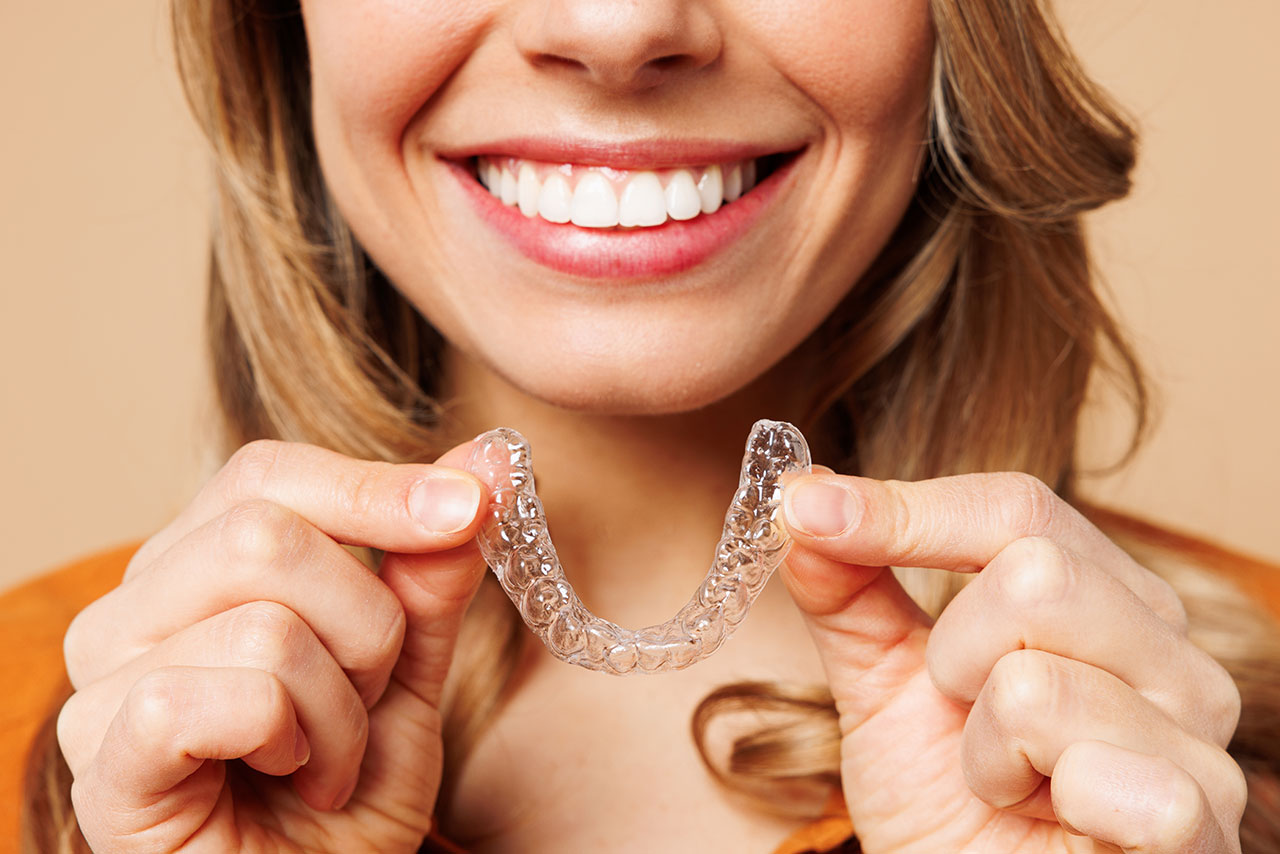
What if straightening your teeth could fit into your life the way a good pair of glasses does—useful, comfortable, and easy to live with—without taking over your routine? That’s the appeal of clear aligners. They’re designed to gently guide teeth into better positions using a series of smooth, nearly invisible trays. For many people, clear aligners are a modern, flexible alternative to braces that can improve both smile appearance and bite function.
In this guide, you’ll learn what clear aligners are, how they work, what daily life with them is like, and how to tell whether they might be a good fit for your goals. You’ll also get practical tips to make treatment smoother and results more predictable.
What Clear Aligners Are And How They Work
Clear aligners are custom-made, removable trays that fit snugly over your teeth. You wear one set for a short period (often one to two weeks), then switch to the next set in the series. Each new aligner makes small changes, gradually moving teeth toward the planned final position.
Unlike braces that use brackets and wires, clear aligners rely on carefully shaped plastic and, in many cases, small tooth-colored “attachments.” Attachments are tiny bumps placed on certain teeth to help the trays grip and move teeth more efficiently. They’re common, subtle, and temporary.
What Clear Aligners Can Correct
Many people think clear aligners are only for mild crowding, but they can often address a wide range of issues, such as:
- Crowded teeth or overlapping front teeth
- Gaps or spacing concerns
- Teeth that have shifted after past orthodontics
- Mild to moderate bite issues (overbite, underbite, crossbite, open bite)
- Uneven tooth heights that affect how teeth meet
That said, some complex cases still do best with braces or a hybrid approach. The best way to know is through a personalized evaluation.
The Clear Aligners Process From Start To Finish
A big reason patients like clear aligners is that the process is structured and easy to understand. While every plan is customized, most follow these steps:
1) Consultation And A Clear Game Plan
Your visit starts with a conversation about what you want to improve and what “success” looks like for you. Next, your dentist checks your teeth and bite, looks for any gum issues, and discusses whether any cavities or gum inflammation should be treated first. Healthy teeth and gums create the best foundation for clear aligners.
2) Digital Scans And Records
Instead of messy impression material, many offices use digital scans to create a 3D model of your teeth. Photos and X-rays may be taken as well. These records help design the series of clear aligners so each step is intentional.
3) Your Custom Aligner Series Is Made
Once the plan is finalized, your aligners are fabricated and delivered as a series. Your dentist may place attachments and show you exactly how to insert and remove the trays comfortably.
4) Wearing Your Clear Aligners Daily
Most people wear clear aligners 20–22 hours per day, removing them only to eat, drink anything besides water, and brush and floss. Consistent wear is the #1 factor that influences how smoothly treatment goes.
5) Check-Ins And Small Adjustments
You’ll have periodic check-ins so your dentist can confirm progress and make adjustments if needed. Some plans include “refinement” aligners at the end to fine-tune small details.
6) Retainers: The Step That Protects Your Results
Teeth naturally try to drift back. Retainers help lock in your outcome. Many patients wear retainers full-time at first, then switch to nighttime wear. This stage matters just as much as wearing clear aligners during active treatment.
Daily Life With Clear Aligners: What It’s Really Like
If you’re wondering whether clear aligners are practical, it helps to picture a typical day.
Eating And Drinking
You remove your trays for meals and snacks. That means no food restrictions from wires or brackets. However, it also means you’ll want a routine: eat, brush (or at least rinse), then put your clear aligners back in. Water is fine with trays in. For coffee, tea, soda, or anything colored, it’s best to remove aligners to avoid staining and sugar exposure.
Speaking
Some people notice a slight lisp for a day or two, especially with certain sounds. Most adjust quickly as the tongue adapts. Reading aloud for a few minutes a day can speed up the adjustment.
Comfort
Expect gentle pressure when you start a new set of clear aligners—that pressure is how movement happens. The feeling typically fades within a day or two. If an edge feels sharp, your dentist can show you how to smooth it safely.
Hygiene
Because clear aligners are removable, brushing and flossing are straightforward. That’s a major advantage for patients who want to keep gums healthy and breath fresh throughout treatment.
Benefits Of Clear Aligners
Here are the most common reasons patients choose clear aligners, along with the practical benefits they notice:
- Low-profile appearance: Trays are clear and blend in with natural teeth.
- Removable convenience: Eat normally and brush and floss without obstacles.
- Comfort: No brackets or wires to rub cheeks and lips.
- Predictable planning: Digital design maps tooth movement in steps.
- Fewer urgent visits: No broken wires or bracket repairs.
- Improved cleanability: Straighter teeth are often easier to clean long term.
- Confidence in routine: Many people like that aligners fit quietly into daily life.
Are Clear Aligners Right For Me? Key Questions To Consider
Choosing clear aligners is easier when you think through a few practical factors.
1) Can I Commit To Wear Time?
Clear aligners work best when worn consistently. If you remove them frequently or forget to put them back in after meals, tooth movement can stall. If you think wearing trays 20–22 hours a day sounds unrealistic right now, talk to your dentist about alternatives or timing that fits your schedule.
2) What Are My Goals?
If your goal is to straighten front teeth, close gaps, or improve mild bite issues, clear aligners may be a strong match. If you need major bite correction or complex tooth movement, your dentist may recommend braces or a combined approach.
3) Do I Grind Or Clench My Teeth?
Grinding can put extra stress on teeth and aligners. It doesn’t automatically disqualify you from clear aligners, but it can influence the treatment plan. Your dentist may recommend a protective retainer or night guard once treatment ends.
4) Are My Teeth And Gums Healthy?
Gum inflammation and untreated cavities can complicate treatment. Before starting clear aligners, many patients benefit from a cleaning and any needed restorative care. Healthy gums support more predictable tooth movement.
5) Do I Have Restorations Like Crowns Or Veneers?
Crowns and other restorations can still be compatible with clear aligners, but they affect how attachments are placed and how movement is planned. Your dentist will design a plan that respects your existing dental work.
Clear Aligners Vs. Braces: Differences In Plain Language
Both methods can straighten teeth, but they suit different needs.
Braces can be ideal for very complex cases because they give the orthodontic system more direct control over movement. Clear aligners are often preferred when you want a low-profile look and removable convenience. For many patients, the deciding factor comes down to lifestyle. If you want to eat freely, brush normally, and keep treatment discreet, clear aligners are often appealing.
How Long Does Treatment Take?
Treatment length varies based on tooth movement needed and how consistently you wear your clear aligners. Many cases take 6–18 months. Minor alignment improvements can be shorter. More involved bite changes can take longer. During your consultation, your dentist will outline a realistic timeline and what affects it.
Tips For Getting The Best Results With Clear Aligners
A few habits make clear aligners easier and more effective:
- Stick to the 20–22 hour goal. Set reminders after meals for the first week.
- Use a case every time. Napkins are the #1 way aligners get thrown away.
- Brush before reinserting. If you can’t brush, rinse well and brush as soon as you can.
- Clean aligners daily. Mild soap and cool water are usually best; avoid hot water.
- Change trays on schedule. Follow your dentist’s timing so teeth move predictably.
- Keep check-ins. Small course corrections early prevent delays later.
What If I’m Not Sure? A Simple “Fit Check”
If you’re on the fence, consider this: clear aligners are often a great match if you want a discreet, removable option and can commit to consistent wear. If you’d rather not think about wear time and prefer something fixed 24/7, braces may feel simpler.
The best next step is an exam that looks at your bite, gum health, and smile goals. A professional evaluation turns guesswork into a clear plan.
Wrap-Up: A Practical Way To Straighten Teeth
Clear aligners can be a comfortable, modern way to straighten teeth without changing your routine too much. They’re discreet, removable, and designed to guide teeth step by step toward a healthier alignment. The most important ingredients are a personalized plan, good daily wear habits, and a retainer strategy that keeps your results stable.
Ready to find out if clear aligners are a fit for you? Contact New Smiles at (503)-907-6193 or visit us at 17680 SW Handley St #101, Sherwood, OR 97140 to Schedule a Consultation and get a clear, personalized path to straighter teeth.