Not every damaged tooth fits neatly into the category of “small cavity” or “needs a crown.” Sometimes a tooth has more damage than a standard filling can comfortably handle, yet enough healthy structure remains that a full crown may not be necessary. That is where inlays and onlays can provide another restorative option.
At New Smiles Dental in Sherwood, OR, inlays and onlays can be considered when a tooth needs stronger or more precise restoration than a traditional filling can provide. These custom restorations can repair areas affected by decay, wear, or damage while preserving healthy tooth structure whenever possible.
What Are Inlays And Onlays?
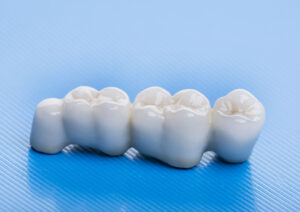
Inlays and onlays are custom-made restorations designed to repair damaged portions of a tooth. They are sometimes called indirect restorations because they are created outside the tooth before being bonded into place.
An inlay fits within the grooves of a tooth’s chewing surface. An onlay covers a larger area and can extend over one or more of the tooth’s cusps, which are the raised portions of a back tooth.
The difference is mainly the amount and location of tooth structure being restored.
Why A Standard Filling May Not Always Be Enough
Composite fillings are excellent for many cavities. However, a larger area of decay may leave too little support for a conventional filling.
If the damage is significant, a large filling may not provide the desired strength. At the other end of the spectrum, placing a crown can require more tooth preparation than necessary for a moderately damaged tooth.
Inlays and onlays can occupy the middle ground for certain patients. They allow the dentist to replace the damaged portion while preserving more of the healthy tooth structure.
The decision depends on the individual tooth, not simply the size of the cavity.
What Is A Dental Inlay?
An inlay is designed to fit inside the grooves of a tooth. It does not generally extend over the tooth’s cusps.
Inlays can be useful when decay or damage affects the chewing surface but the surrounding cusps remain strong.
The restoration is custom-made to match the prepared tooth. This allows the dentist to restore both the shape and function of the tooth.
What Is A Dental Onlay?
An onlay covers a larger area than an inlay. It can extend over one or more cusps when those areas need additional protection.
Onlays may be appropriate when a tooth has more extensive damage but still has enough healthy structure to avoid a full crown.
Because the restoration is custom-made, the dentist can design it around the remaining healthy tooth structure and the patient’s bite.
What Materials Are Used?
Inlays and onlays can be made from several dental materials. The choice depends on the tooth, location, function, aesthetics, and treatment plan.
Tooth-colored materials can provide a natural appearance. Other materials may be selected when additional strength or specific functional properties are needed.
Your dentist will explain the recommended material and why it is appropriate for your particular tooth.
What Happens During Inlay Or Onlay Treatment?
Examination
The first step is evaluating the tooth. The dentist determines how much damage exists and how much healthy tooth structure remains.
X-rays may be used when appropriate to evaluate the tooth below the visible surface.
Preparing The Tooth
Decay or damaged tooth structure is removed. The remaining healthy tooth is shaped carefully to receive the restoration.
Digital Scan Or Impression
A digital scan or traditional impression records the shape of the prepared tooth. This information is used to create a restoration that fits precisely.
Temporary Protection
Depending on the treatment approach, a temporary restoration may protect the tooth while the final inlay or onlay is being created.
Final Placement
When the restoration is ready, the dentist checks the fit and bite. Once everything is satisfactory, it is bonded securely to the tooth.
How Inlays And Onlays Compare With Fillings
A filling is placed directly into the tooth and shaped while the material is in the mouth. An inlay or onlay is custom-created outside the tooth before final placement.
This indirect approach can provide a highly precise restoration for teeth with moderate damage.
The choice between a filling and an inlay or onlay depends on how much tooth structure has been lost and how much support the tooth needs.
How Inlays And Onlays Compare With Crowns
A crown covers the entire visible portion of a prepared tooth. An onlay covers only the damaged portion and may extend over one or more cusps.
When enough healthy tooth structure remains, preserving that structure may be desirable. An inlay or onlay can sometimes accomplish this without covering the entire tooth.
However, a severely weakened tooth may require the additional protection of a crown.
There is no universal restoration that is best for every damaged tooth. The condition of the tooth determines the appropriate approach.
Are Inlays And Onlays Noticeable?
Many modern inlays and onlays can be designed to blend naturally with surrounding tooth structure. Shade, shape, and surface details can be considered when creating the restoration.
This can make tooth-colored inlays and onlays particularly appealing for patients who want restorative treatment without a highly visible dental material.
What Does Recovery Feel Like?
Most patients can return to normal routines after treatment. Some temporary sensitivity may occur, especially if the tooth had significant decay before treatment.
Your bite should feel comfortable once the restoration is properly adjusted. If the tooth feels unusually high when you bite down, contact the dental office so the restoration can be evaluated.
Caring For An Inlay Or Onlay
Daily care is similar to caring for natural teeth.
- Brush twice each day.
- Clean between your teeth every day.
- Attend regular dental examinations.
- Keep professional cleaning appointments.
- Avoid using restored teeth to bite hard objects.
- Tell your dentist about grinding or clenching.
The tooth beneath the restoration can still develop decay, so good oral hygiene remains essential.
When Is An Inlay Or Onlay Considered?
Inlays and onlays may be considered when a tooth has moderate damage and a standard filling is not ideal, but the tooth does not require the full coverage of a crown.
They may also be considered when an older restoration needs replacement or when a tooth has experienced wear that requires more precise reconstruction.
Your dentist will consider the tooth’s strength, location, bite forces, and overall oral health before recommending treatment.
Benefits of Inlays and Onlays
- Preserves healthy tooth structure: The restoration can be designed around the remaining healthy tooth.
- Custom fit: Inlays and onlays are created specifically for the tooth being treated.
- Strong restoration: They can provide additional support for teeth with moderate damage.
- Natural appearance: Tooth-colored options can blend with surrounding enamel.
- Precise restoration: The custom design allows careful attention to tooth shape and bite.
- Versatile treatment: They can address several types of moderate tooth damage.
- Alternative to full crowns: In appropriate cases, they can restore a tooth without covering the entire visible tooth.
Why Early Evaluation Matters
A damaged tooth can change over time. A small area of decay may become larger, while a weakened cusp can fracture under normal chewing forces.
Early evaluation gives your dentist more options. If a tooth is still structurally sound, a conservative restoration may be possible. Waiting until the tooth breaks can make treatment more complicated.
That is why sensitivity, visible damage, food trapping, or a broken filling should not be ignored.
Choosing The Right Restoration For Your Tooth
Inlays and onlays are not replacements for every type of dental restoration. They are one tool among several options available to restore damaged teeth.
The right treatment should protect the tooth while preserving as much healthy structure as practical. It should also fit comfortably with your bite and support long-term oral health.
If you have a damaged or heavily restored tooth and want to understand your options, contact New Smiles Dental in Sherwood, OR, at (503) 925-9595 to Schedule a Consultation and find out whether an inlay or onlay could be appropriate for your smile.