Looking For A Full-Arch Solution That Lasts?
If you’re researching full-arch tooth replacement, you’ve likely come across two popular options: zirconia fixed bridges and hybrid acrylic (often acrylic-titanium) bridges. Both designs are used with dental implants to restore a full smile, but they differ in materials, maintenance needs, comfort, esthetics, and long-term durability. In Sherwood, OR, our team at New Smiles helps patients choose a solution that fits their lifestyle, budget, and priorities—so you can smile, laugh, and eat with confidence again.
The Basics: What These Restorations Are
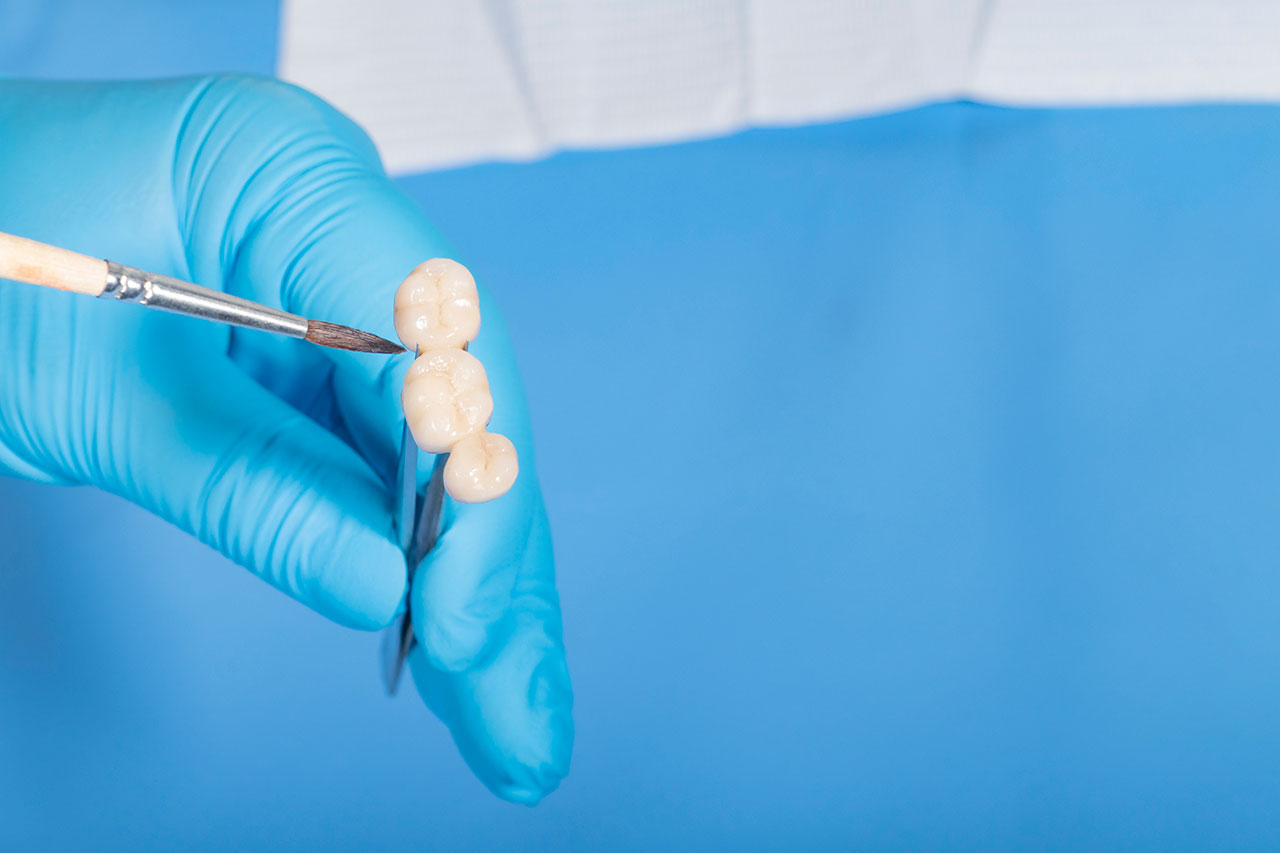
A full-arch fixed bridge attaches to 4–6 well-placed dental implants per arch. Implants serve as artificial roots, anchoring the bridge so it feels secure. Zirconia bridges are milled from a solid ceramic block, while hybrid acrylic bridges combine a titanium substructure with acrylic teeth and pink “gum” resin. Both can deliver a natural-looking smile, but the day-to-day experience can vary significantly.
Esthetics And Natural Light Reflection
Zirconia earns high marks for lifelike translucency and shade stability. Because it’s monolithic ceramic, the color is baked in—resisting stains from coffee, tea, and red wine better than acrylic. Hybrid acrylic can look beautiful initially, but over time it may pick up micro-staining or dullness. If you want your smile to photograph consistently year after year, zirconia’s color retention is a strong advantage.
Strength, Wear, And Longevity
Zirconia is exceptionally strong under bite forces, which is ideal for those who want to enjoy crunchy fruits, fresh bread, or a steak without worry. Acrylic is more forgiving on opposing teeth but can wear faster and may require more frequent repair or replacement of individual teeth. Many patients appreciate that zirconia bridges are chip- and fracture-resistant when designed and maintained properly. Meanwhile, acrylic’s softer nature can mean more adjustments across the years.
Maintenance And Cleanability
Both options require diligent home care and professional maintenance. Because zirconia is dense and highly polished, plaque is less likely to cling, making it easier to keep fresh with a water flosser, floss threaders, and special interproximal brushes. Acrylic surfaces, being slightly more porous, may harbor odors if not cleaned thoroughly. Either way, plan on routine checkups and professional cleanings with a team experienced in full-arch implant restorations.
Comfort And Bite Feel
Some patients describe zirconia as feeling more like natural enamel—solid and stable—while acrylic can feel slightly “softer.” If you grind your teeth (bruxism), your dentist might recommend a night guard to protect any restoration. With zirconia, that protection helps preserve opposing tooth enamel; with acrylic, it can cut down on wear or fractures in the prosthetic teeth.
Repair Versus Replacement
If a tooth chips on an acrylic bridge, individual repairs are usually straightforward. Zirconia, being a single solid unit, rarely chips—but if it does, repairs may be more complex or require a laboratory. The good news: significant fractures are uncommon with modern zirconia, particularly when supported by correctly placed implants and balanced occlusion.
Cost Considerations
Upfront, zirconia typically costs more than acrylic. However, many Sherwood patients view it as a long-term investment because of its resistance to staining and wear. Hybrid acrylic can be more budget-friendly initially, with predictable maintenance over time. It’s important to factor in both short-term and lifetime costs, including potential repairs, relines, or replacements.
Who’s A Good Candidate For Each?
- Zirconia Fixed Bridge: Great for patients who want maximum durability, premium esthetics, minimal staining, and a highly polished, easy-to-clean surface.
- Hybrid Acrylic Bridge: Ideal for patients prioritizing lower initial cost, easier tooth-by-tooth repairs, and a slightly softer occlusal feel.
During your consultation, our doctors evaluate bone volume, bite alignment, gum display when smiling, and your personal preferences to tailor a plan. For some, zirconia on the upper arch and acrylic on the lower is a smart hybrid approach.
What About Speech And Adaptation?
Any full-arch restoration requires a brief adaptation period. Most patients adjust within days to weeks. Because zirconia can be milled thinner without sacrificing strength, many people find speech normalization occurs quickly. With hybrid acrylic, bulk may vary—and your dentist can refine contours to optimize phonetics.
Daily Care Tips (Sherwood-Friendly Routine)
- Use an electric toothbrush morning and night.
- Clean under the bridge with a water flosser and threaders.
- Add interproximal brushes for hard-to-reach areas.
- Schedule regular professional cleanings with an implant-trained hygienist.
- Wear a night guard if you clench or grind.
The Bottom Line For Long-Term Confidence
Both zirconia and hybrid acrylic can deliver a confident, natural smile with dental implants. If you value stain resistance, durability, and premium esthetics, zirconia is a standout. If you prefer lower upfront cost and simpler repairs, hybrid acrylic is a proven solution. At New Smiles in Sherwood, we’ll map out your options clearly—so you can choose a full-arch restoration you’ll love for years.
Ready to explore your options? Contact New Smiles in Sherwood, OR at (503) 925-9595 to Schedule a Consultation and see which full-arch solution fits your life.